
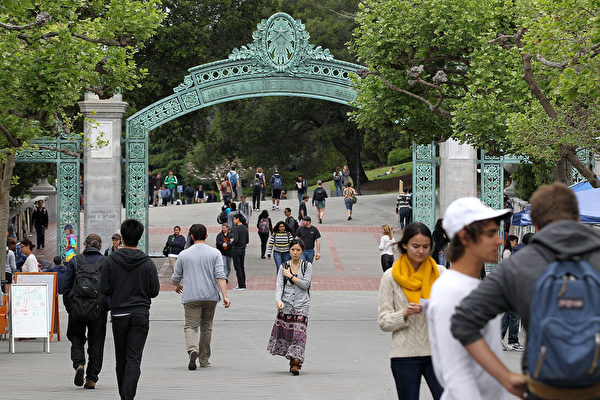
The rising costs of attending certain campuses within the University of California (UC) system have become a significant concern, with expenses exceeding $50,000 annually.
UC Berkeley recently released information indicating that new freshmen who choose to live on campus can expect a total estimated cost for the upcoming academic year to be around $54,674.
Meanwhile, at UC Irvine, new undergraduate students opting for off-campus residence can anticipate an annual total cost of approximately $50,130. Similarly, new students at UC Santa Barbara face a hefty total cost of $50,946 if they choose to live on campus.
These figures encompass not only tuition and various fees but also include expenses for housing, meals, health insurance, and other personal costs.
According to a November 6 email from Rachel Yang Zhou, a researcher at the Public Policy Institute of California (PPIC), the affordability of attending UC ultimately hinges on family income, eligibility for financial aid, and the student’s housing arrangements.
However, Zhou further noted, “These figures represent sticker prices, and most in-state students wind up paying significantly less after accounting for financial aid.”
The financial aid options available include the federal Pell Grant, Cal Grant from California, Middle-Class Scholarship, the University of California’s Blue and Gold Plan, and various other scholarships.
Data from UC indicates that the actual net costs for students attending Berkeley can vary based on family income after financial aid is factored in. For instance, California students from families with an annual income exceeding $180,000 will see their costs at Berkeley drop to about $42,300 after receiving aid. Those with incomes ranging from $120,000 to $180,000 pay around $34,000, while families earning between $60,000 and $120,000 see their costs further reduced to about $19,200. Students coming from families with incomes below $60,000 will incur a cost of approximately $8,100.
The latest available data for the 2024-25 academic year indicates that the actual cost for students living on-campus at Berkeley is approximately $47,289.
Zhou commented, “For low-income families, financial aid typically covers tuition, but remaining expenses, particularly for housing and meals, can still consume a substantial portion of a family’s income. Middle-income families may receive less aid, thereby necessitating greater out-of-pocket expenses.”
The California government provides a Middle-Class Scholarship designed for families with moderate incomes, which can vary based on the number of eligible applicants and the allocated funding. In the 2019-20 school year, Berkeley students received just over $4 million in scholarships; this amount has grown to nearly $32 million for the 2024-25 academic year.
According to PPIC data, the amount allocated for Middle-Class Scholarships is expected to decrease for the 2026-27 academic year.
UC reports suggest that, when adjusted for inflation, the actual costs of attending for California students after financial aid remains stable or has decreased for some income brackets. Per UC’s admissions website, about 52% of in-state undergraduates do not have to pay tuition, and 67% receive financial aid or scholarships.
The University of California is set to receive approximately $175 million from the recently passed Veterans and Affordable Housing Bond Act. In a press release dated November 4, University Chancellor James Milliken stated, “This historic investment will enable us to build essential new student housing across our campuses.”
He elaborated, “Much work remains in addressing California’s housing issues, but this marks a significant victory in reducing the cost of housing for students.”