
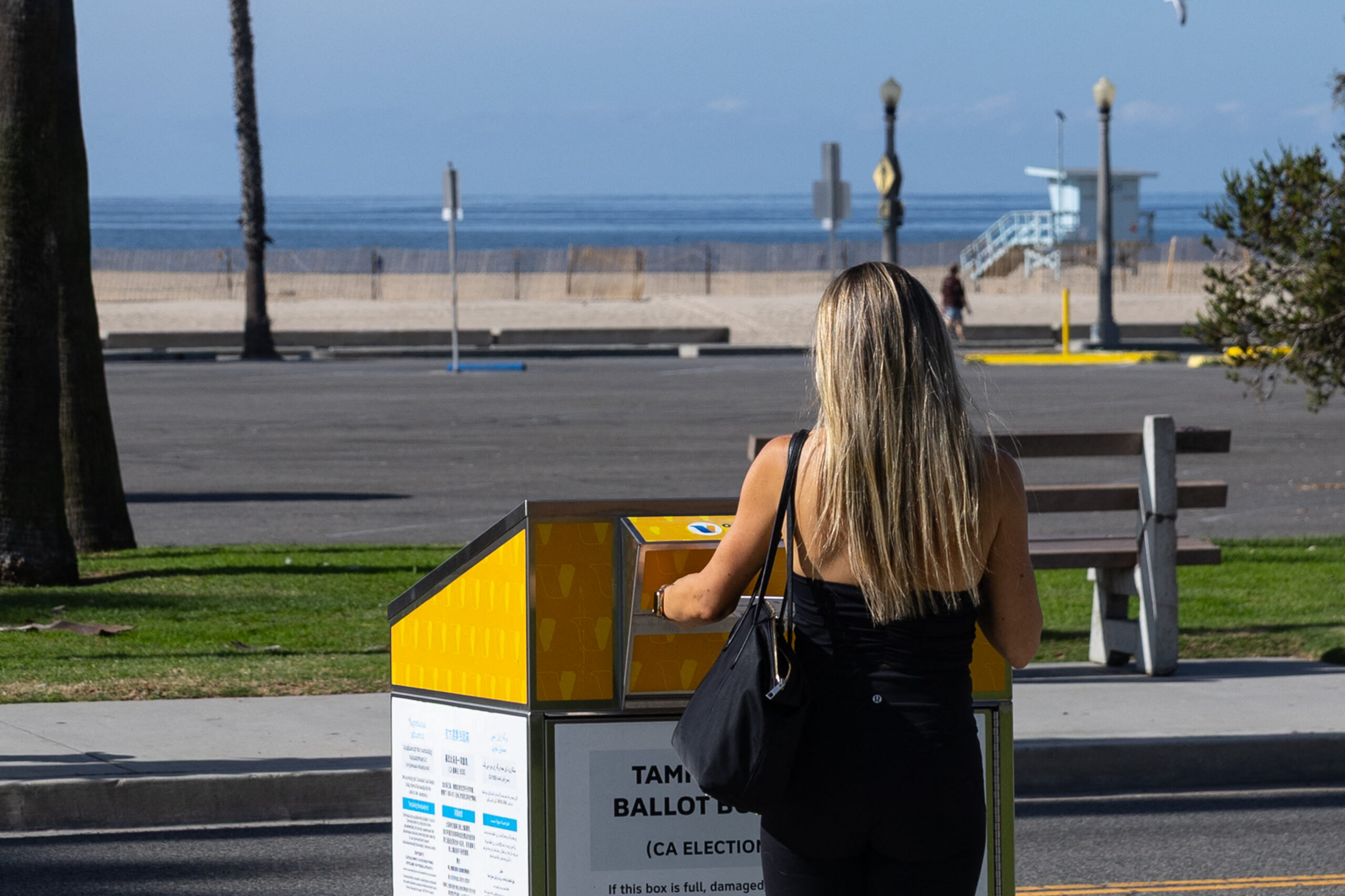
As voting in the U.S. midterm elections approached a participation rate of nearly 80%, recent reports from Decision Desk HQ (DDHQ) suggested that California voters have decisively rejected a groundbreaking proposition known as the “Billionaire Wealth Tax” (Proposition 40).
As of Saturday, November 7, the midterm election voting tally had reached about 76%. DDHQ’s forecast indicated that approximately 54% of voters cast ballots against the measure, while 46% supported it. This defeat marks a significant conclusion in what was anticipated to be one of the most closely watched battles concerning wealth redistribution in the nation.
The proposed Proposition 40 was initiated by the California healthcare workers union (SEIU-UHW) and aimed to levy a one-time 5% wealth tax on about 200 ultra-wealthy individuals residing in California who possess a net worth exceeding $1 billion as of early 2026. The tax was projected to generate upwards of tens of billions of dollars, with the bulk of the revenue intended to address budget cuts affecting Medi-Cal, the state’s healthcare program. Additional funds were earmarked for food assistance and public education initiatives.
However, this initiative sparked a robust backlash from tech giants and billionaires. The opposition managed to raise over $300 million, spearheaded by a political group called “Building a Better California,” which was notably backed by Google co-founder Sergey Brin.
Prominent billionaires, including Brin, Larry Page, and Peter Thiel, began reconsidering their residency or asset allocations as a direct response to the proposition’s potential implications, with Meta CEO Mark Zuckerberg even contemplating relocating.
Voters expressed widespread concerns regarding the complexities involved in taxing wealth rather than income. Many feared that if wealthy individuals and corporations began moving out en masse (potentially relocating to states like Texas or Nevada), the economic and job market repercussions for California would far outweigh any tax revenue generated.
While both the California Democratic Party and the American Federation of Labor and Congress of Industrial Organizations (AFL-CIO) labor unions publicly supported the measure, outgoing California Governor Gavin Newsom voiced his opposition. Newsom emphasized that the proposal would predominantly tie tax revenues to healthcare systems, neglecting crucial budgets for housing, childcare, and public safety. He cautioned that taxing non-cash assets like stocks could instigate an exodus of wealthy residents and significantly undermine California’s long-term tax base.
The rejection of Proposition 40, coupled with the support for a complementary measure aimed at curbing extreme wealth taxes, known as Proposition 42, indicates a substantial victory for affluent individuals and business groups. However, representatives from the unions that championed the rejected proposition stated that if the state fails to adequately address the funding gap in healthcare, they may consider reintroducing a revised billionaire tax proposal for a ballot in 2028.
This article also drew upon reports from various sources, including Bloomberg and The Hill.