
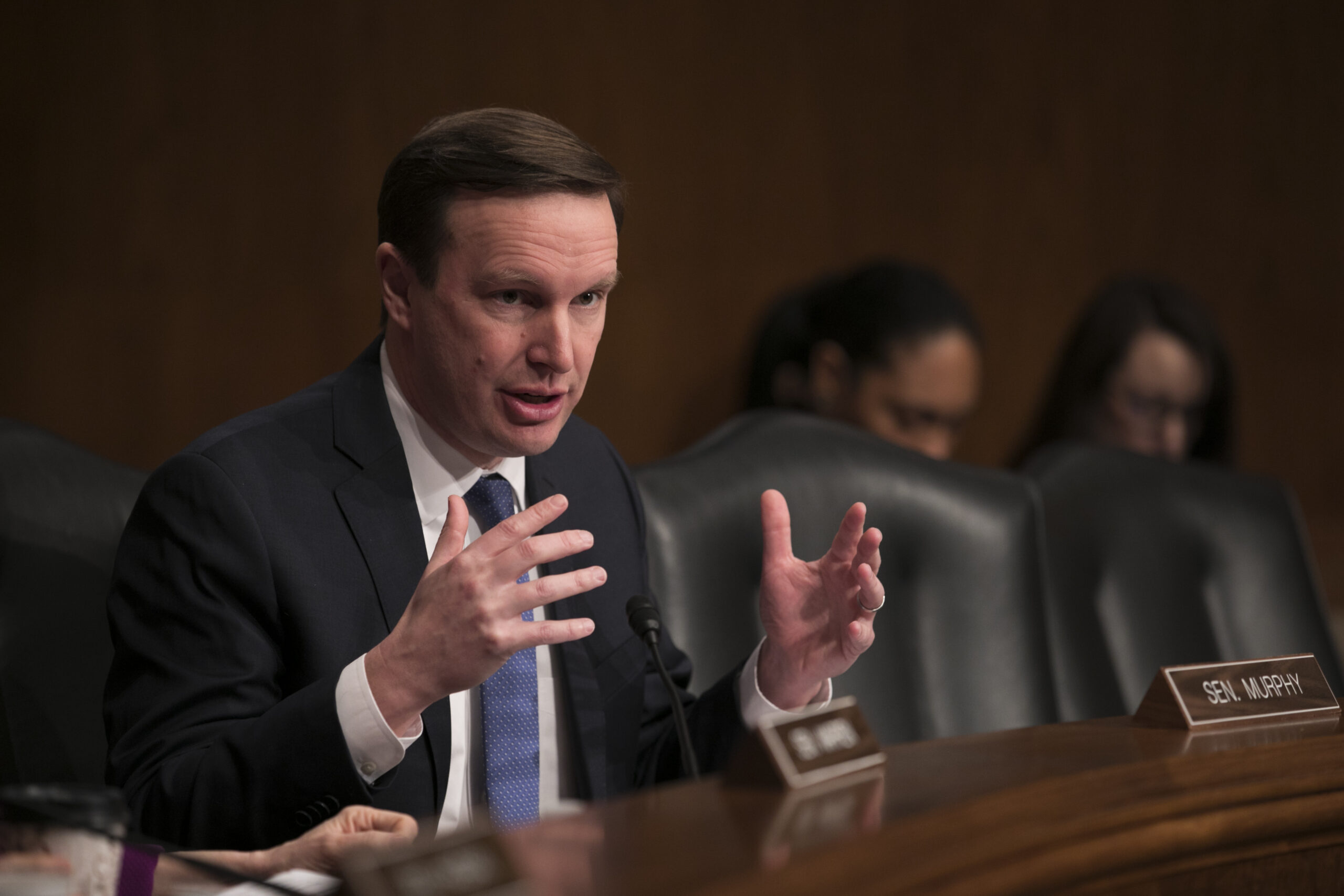
On November 6, U.S. Senator Chris Murphy announced that he has been discharged from the hospital after suffering a stroke last week. However, he will be unable to attend Senate voting activities for the next few weeks as he continues his recovery process.
In a statement released by his office, the senator from Connecticut confirmed his discharge but highlighted the need for ongoing rehabilitation. He expressed gratitude for the medical care he has received so far and acknowledged the importance of taking his recovery seriously.
Murphy recounted the events that led to his hospitalization, stating, “Last Saturday afternoon, I felt something was off with my body. Out of caution, I called 911. I’m very glad I did. I was diagnosed with a small amount of bleeding in the thalamic area of the brain.”
He noted that the doctors are very encouraged by the progress he has made and mentioned his commitment to returning to work as soon as possible. “After my discharge today, I will be receiving care at a rehabilitation center for several weeks,” he continued.
Additionally, he noted that during his recovery, he would still be able to communicate with his staff and colleagues remotely. This indicates his dedication to remaining engaged with Senate activities even while physically absent.
Murphy’s office also reiterated a statement from Dr. Jose Suarez, the head of the neurocritical care unit at Johns Hopkins Hospital. Dr. Suarez provided an update on Murphy’s condition, stating, “Senator Murphy experienced a mild hemorrhagic stroke. His recovery progress is remarkable. At the current rate of recovery, we anticipate that he will fully recover after completing his rehabilitation care.”
Chris Murphy, who is 53 years old, suffered the stroke while watching his son play in a hockey game on October 31. He has been undergoing treatment since the incident.
Before serving in the Senate, Murphy was a member of the House of Representatives from 2007 to 2013, and he has been a prominent voice within the party. He is also viewed as a potential candidate for the 2028 Democratic presidential primary.
As Murphy made these announcements, the Democratic Party is celebrating a significant victory in the recent midterm elections. With control of both the House and Senate set to shift to the Democrats starting in January, it is expected that the Republican Party will continue to navigate legislative priorities in the remaining weeks of their control. This strategic balance in Congress will likely influence the political landscape as new leadership emerges in the coming months.