
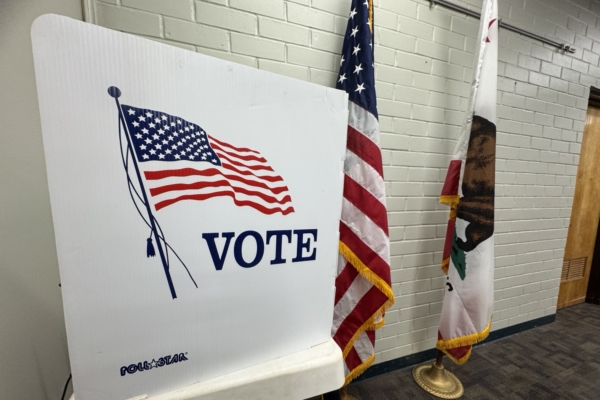
California is currently in the midst of its midterm elections, during which voters are set to select 52 members of the House of Representatives. As of the early morning of November 4, at 3:17 AM, initial ballot counting results indicate a challenging situation for the incumbent Republican representatives. Notable figures such as James Gallagher, Kevin Kiley (who is currently running as an Independent), David Valadao, and Young Kim are projected to lose their seats.
This election cycle has been significantly influenced by the redistricting measure passed by California voters in 2025, which has given the Democratic Party an impressive advantage in approximately 92% of the districts. In contrast, the Republican Party finds itself in a more precarious position, holding a competitive edge only in the 5th, 20th, 23rd, and 40th congressional districts.
In the 23rd District, where Republican voters form the majority, Jay Obernolte initially led in the June primaries with a commanding 57% of the vote. However, the most recent ballot count shows him in a much tighter race, currently leading with just 51.30%. Should Obernolte and his Republican counterparts fail to secure their seats, the Republican representation in California could dwindle to a mere three seats, which would account for only 6% of the total, while the Democratic Party could secure as many as 49 seats—accounting for a staggering 94%.
Examining the registered voter demographics reveals the significant impact of the recent redistricting: Republicans represent around 25% of voters but are projected to secure less than 10% of the seats. Meanwhile, the Democrats, who make up approximately 45% of registered voters, have also managed to attract the votes of about 30% of Independent and other party voters, allowing them to capture more than 90% of the available seats.
In particular, Young Kim of the 40th District has lost her seat due to being placed in the same district as another Republican representative following the redistricting process. Kevin Kiley, representing the 3rd District, is also facing challenges as his district’s boundaries were drawn irregularly, featuring numerous sharp angles, which has complicated the redistricting efforts significantly and has drawn scrutiny for the time-consuming process involved.
This midterm election in California has highlighted both the intricacies of redistricting and the shifting political landscape, with implications that could reverberate throughout future electoral cycles. As votes continue to be counted, the final outcomes may set a new precedent for party representation in one of the nation’s largest states.