
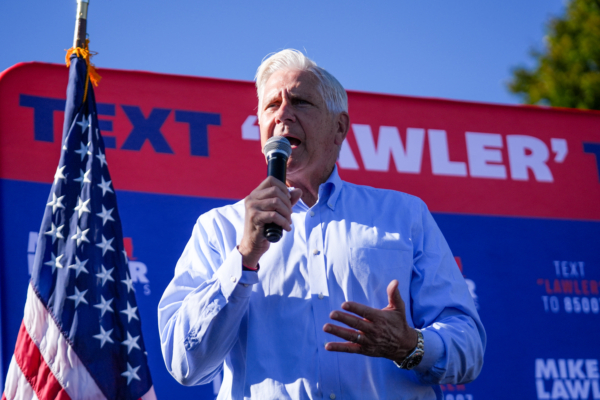
In a significant development in New York’s political landscape, Bruce Blakeman, the Republican candidate for Governor and the Nassau County Executive, made an announcement on October 30, 2026, stating that he has signed a pledge to oppose any tax increases if elected. This commitment specifically targets income taxes, property taxes, and energy taxes. Additionally, he declared that he would not pursue government fees that would effectively act as hidden tax increases. Blakeman is also calling on the incumbent Governor Kathy Hochul to make a similar pledge as she seeks re-election.
The pledge extends beyond simple tax opposition. It includes a clear stance against the introduction of new estate taxes or the expansion of the state’s estate tax framework. Blakeman is particularly concerned about state mandates that lack corresponding funding, warning that such actions would inevitably lead to tax increases at the local level as municipalities try to cover the costs.
Blakeman emphasized that any new revenue generated by the state should be dedicated to alleviating the burden of income taxes, property taxes, and energy taxes, especially after fulfilling statutory obligations and maintaining necessary financial reserves. He argued that this newfound revenue should not be utilized to create new spending programs, which he sees as a fiscal irresponsibility. His position is rooted in a call for prudent government spending, eliminating waste, and reducing the financial burden on families, seniors, homeowners, and businesses.
“I signed this pledge to draw a clear line against tax increases,” Blakeman stated firmly. He criticized Hochul for approving 48 utility rate hikes and accused fellow political figure Andrew Mamdani of influencing policy direction in a way that could lead to new taxes and increased government spending. However, independent verification of the “48” figure has not yet been completed.
Furthermore, the Tax Foundation’s “2026 State Tax Climate Index” ranked New York last among the 50 states, highlighting the state’s challenging tax structure and competitiveness—not necessarily reflecting the actual tax burden on residents.
In contrast to Blakeman’s pledge, Governor Hochul has been advocating for middle-class income tax cuts and the expansion of the child tax credit. She has also supported the taxation of luxury second homes in New York City valued at $5 million or more, reflecting her administration’s efforts to address issues of equity and revenue generation.
Moreover, Mamdani’s office has made a controversial proposal to drastically reduce the estate tax exemption from $7.35 million to $750,000, a move that would bring a larger segment of estates under tax scrutiny. This proposal also suggests increasing the maximum estate tax rate from 16% to a staggering 50%, raising concerns about the potential financial strain on families during times of grief.
As the election approaches, the debate over taxes, government spending, and fiscal policy is likely to intensify, with both candidates aiming to draw clear distinctions in their approaches to managing New York’s economy and the financial well-being of its residents. The implications of these proposals and pledges will undoubtedly shape the state’s political and fiscal future.