
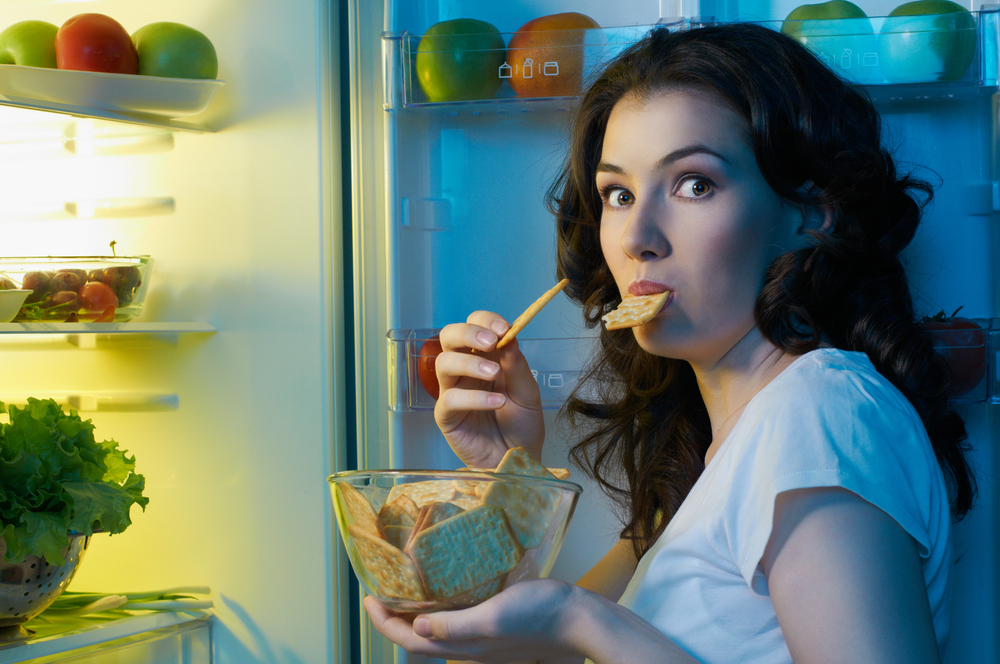
Some people have a habit of having supper (referring to snacks eaten after dinner until bedtime), even if they have eaten a lot for dinner, they will still have something before going to bed, as if they can’t sleep without eating. If you are one of those people, you should pay attention because a recent study has found that having supper can increase the risk of liver disease by up to 30%.
This study conducted by the Oregon Health & Science University (OHSU) in the United States showed that compared to those who do not have supper, people who have supper have an increased risk of liver disease by 20% to 30%. These conditions include metabolic disorders related to fatty liver disease and serious diseases such as cirrhosis.
The researchers at the university said that this may be due to eating too late. In order to explore the connection between having supper and liver disease, they examined data used in multiple previous studies involving approximately 200,000 people in the United States. These participants provided information on their daily routines, dietary habits, and other aspects of their lifestyles.
Based on the eating habits of these participants, the researchers categorized them and then compared and analyzed these eating patterns with cases of fatty liver and cirrhosis.
The results showed that participants who habitually have supper have a 20% to 30% higher risk of liver disease compared to those who do not have supper. This finding has sparked consideration about how “eating time affects long-term liver health.”
One of the authors of the study, Andrew McHill, an expert on circadian rhythms at the university, stated, “Although we cannot provide clinical recommendations based on this analysis, the research results suggest that it is reasonable to avoid eating before normal bedtime or late at night.”
He added, “Considering that up to 30% of the U.S. population may be affected by liver disease, it may be particularly beneficial to reduce the risk of liver disease by adjusting eating times.”
While people often associate circadian rhythms with sleep, McHill pointed out that this study further confirms that circadian rhythms should not be overlooked when considering other factors such as diet and exercise for overall health.
He mentioned, “In addition to focusing on what and how much to eat, people should also pay attention to their body’s circadian rhythms.”
The research findings were published on October 10 in the journal Clinical Gastroenterology and Hepatology.
According to a report by the website Prevention, Melissa Mroz-Planells, spokesperson for the Academy of Nutrition and Dietetics and clinical nutritionist, mentioned other reasons to consider stopping supper.
She noted that having supper, especially consuming a lot before bedtime, may aggravate acid reflux and lead to consuming excessive calories. Eating during the physiological sleep period may also affect blood sugar regulation, causing significant fluctuations in blood sugar levels.
However, occasional supper does not necessarily severely harm health. Mroz-Planells explained that the impact of having supper varies depending on individual constitution, the amount of food consumed, the types of food eaten, and personal sleep patterns. Some people may eat late at night due to work or other factors, but that does not mean they will necessarily develop liver disease.
If you can manage your schedule, in addition to considering the nutritional content of your food, you should also think about meal times. McHill suggested, “Our analysis shows that if possible, it’s best to avoid eating in the two to four hours before normal bedtime.”
In case you can’t sleep without having supper, American nutritionist Tracy Lockwood Beckerman previously provided some healthy snacks suitable for consumption before bedtime for your reference. These snacks include walnuts, bananas, dried mushrooms, nuts coated with chocolate, Greek yogurt with almonds and berries, and rice cakes topped with peanut butter.