
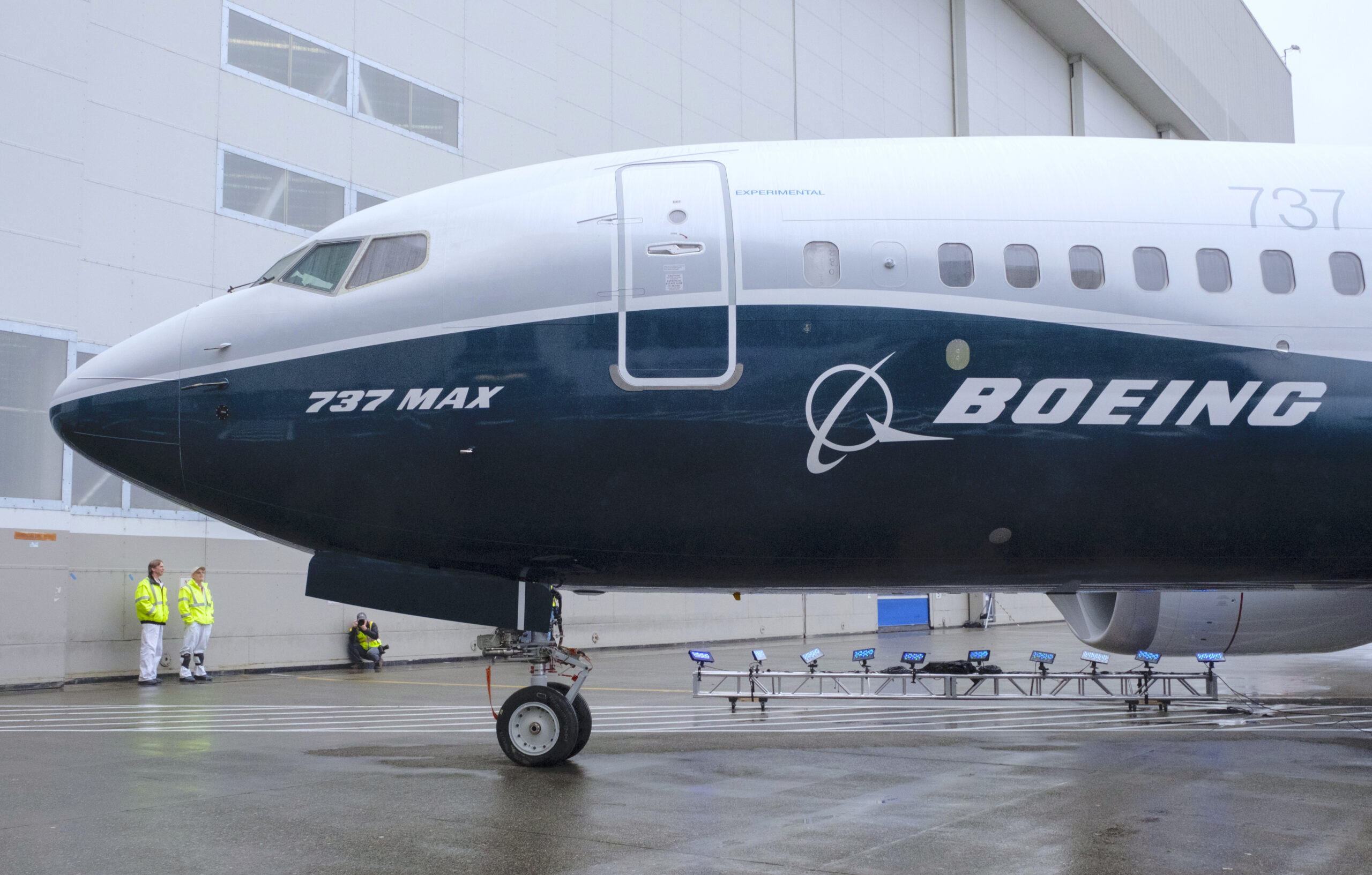
On October 20th, the Federal Aviation Administration (FAA) of the United States completed the certification of the newest and longest fuselage model in the Boeing 737 MAX series – the MAX 10, clearing the way for Boeing to begin delivering this aircraft model in the coming months.
According to Boeing’s official website, the MAX 10 enhances the 737 MAX series by providing airlines with an efficient and flexible single-aisle aircraft product. As the largest model in the series, the MAX 10 has elevated performance to new heights on a common architecture basis: it can accommodate up to 230 passengers, offers the lowest seat cost among all single-aisle aircraft currently in service, and has a range that exceeds that of competing models by 365 nautical miles without the need for additional auxiliary fuel tanks.
Reports indicate that more than 30 airlines worldwide have purchased the MAX 10 aircraft, with a total order of 1,555 aircraft so far, accounting for over 30% of the current total orders for the 737 MAX project.
The report also states that the MAX 10 is the first commercial aircraft to fully comply with the 2020 Aircraft Certification, Safety, and Accountability Act (ACSAA) standards. The ACSAA mandates providing more detailed documentation records for safety assessments and human factor assessments. To meet the certification requirements, Boeing conducted rigorous certification work on the MAX 10 model, including accumulating over 2,000 hours of flight tests, 1,000 hours of ground tests, numerous pages of documentation, and formal meetings with the FAA lasting for a long period.
Stephanie Pope, President and CEO of Boeing Commercial Airplanes, stated, “Completing the certification milestone clears the way for us to deliver a Boeing aircraft that will set a new benchmark in commercial aviation, creating more value and opportunities for airlines worldwide.”
Boeing began the first flight of the MAX 10 in June 2021, and the certification process took a lengthy 5 years and 4 months from the first flight to completion.
The two MAX 8 air crashes in 2018 and 2019 resulted in the deaths of 346 people, leading to a global grounding of all 737 MAX series aircraft. Following a comprehensive investigation, the U.S. Congress passed the ACSAA Act. The FAA significantly tightened its oversight of Boeing, shifting from the past practice of “delegating self-certification to Boeing” to a more direct and rigorous review process.
In 2024, an almost brand-new MAX 9 aircraft from Alaska Airlines experienced a cabin panel rupture accident in the air. Subsequent issues with engine anti-icing and software updates further delayed the FAA’s certification of the MAX 7 and MAX 10 models.
After more than eight years of review, the FAA finally approved the smaller MAX 7 model in August of this year, and now has granted certification for the MAX 10 after a long process.