
On October 19, 2026, the Greek Coast Guard announced that two separate refugee boat capsizing accidents near the Greek islands of Lesbos and Samos had resulted in the deaths of 12 refugees, including an infant.
According to reports from the Associated Press, a spokesperson for the Greek Coast Guard stated that on the evening of October 18, a speedboat carrying Syrian and Palestinian refugees collided with the left side of a Greek Coast Guard patrol boat while sailing in the waters south of Lesbos, leading to its overturning and resulting in 6 deaths.
The victims included 4 men, 1 woman, and 1 infant. Eight survivors were rescued, including one individual detained for suspected human trafficking.
In the early hours of Monday, another speedboat capsizing occurred in waters north of Samos, resulting in the deaths of 5 men and 1 woman. Approximately 15 individuals have been rescued so far, including an Iranian man suspected of human trafficking.
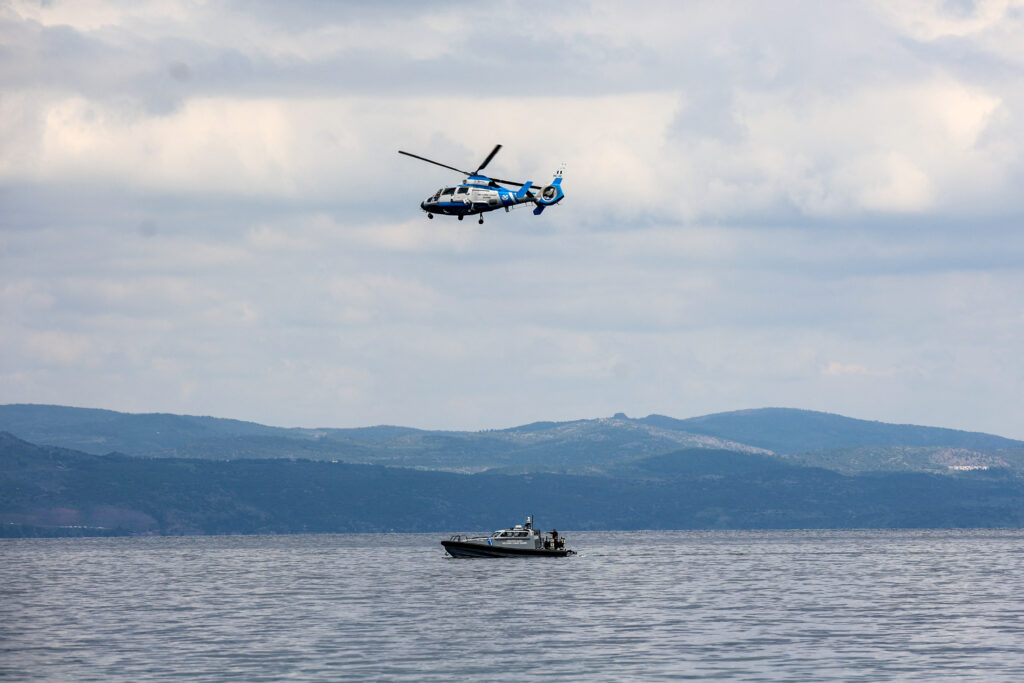
The spokesperson mentioned that a Coast Guard ship and a helicopter are still conducting search operations in the area for the three missing persons.
Vasilis Kikilias, the Minister of Shipping and Island Policy, expressed “grief and anger” on social media regarding the shipwreck off Lesbos, referring to the deaths of the 6 individuals as a “crime perpetrated by modern slave traders” and stating that Greece maintains a zero-tolerance policy towards smuggling rings.
Greece serves as a primary entry point to the European Union for refugees fleeing from the Middle East, Africa, and Asia. Many people embark on rubber dinghies or other small vessels from the Turkish coast heading towards nearby Greek islands.
According to a report by the European Border and Coast Guard Agency (Frontex) on Monday, the number of illegal border crossings has significantly decreased compared to the same period last year, with the Eastern Mediterranean still being a busy route for illegal crossings.
Frontex reported approximately 31,800 incidents of illegal border crossings in the first three quarters of 2026, marking a 15% decline from the same period last year. The corridor from Libya to Crete remains the busiest stretch along this route, followed by the Eastern Aegean Islands and the land border with Turkey.