
For most people, buying a house is a significant milestone in life and a major financial investment. However, for the ultra-wealthy, housing holds a completely different significance as it is a part of building a larger financial strategy of real estate investments.
According to international wealth institutions and reports such as Wealth-X and Knight Frank, ultra-high-net-worth individuals are typically individuals with investable assets exceeding $30 million, not including illiquid assets like primary residences, art, and collectibles.
GOBankingRates interviewed several real estate experts who specialize in serving high-end buyers to explore the differences in housing expenditures between ultra-high-net-worth individuals and the general public.
In terms of transaction prices, the disparity in spending between the ultra-wealthy and regular homebuyers is staggering.
Chris Iverson, a high-end real estate broker at Sotheby’s International Realty in Palo Alto, mentioned, “The starting price for newly built residences purchased by the ultra-wealthy in Atherton and Palo Alto ranges from $25-30 million, and can go as high as $50 million or more.”
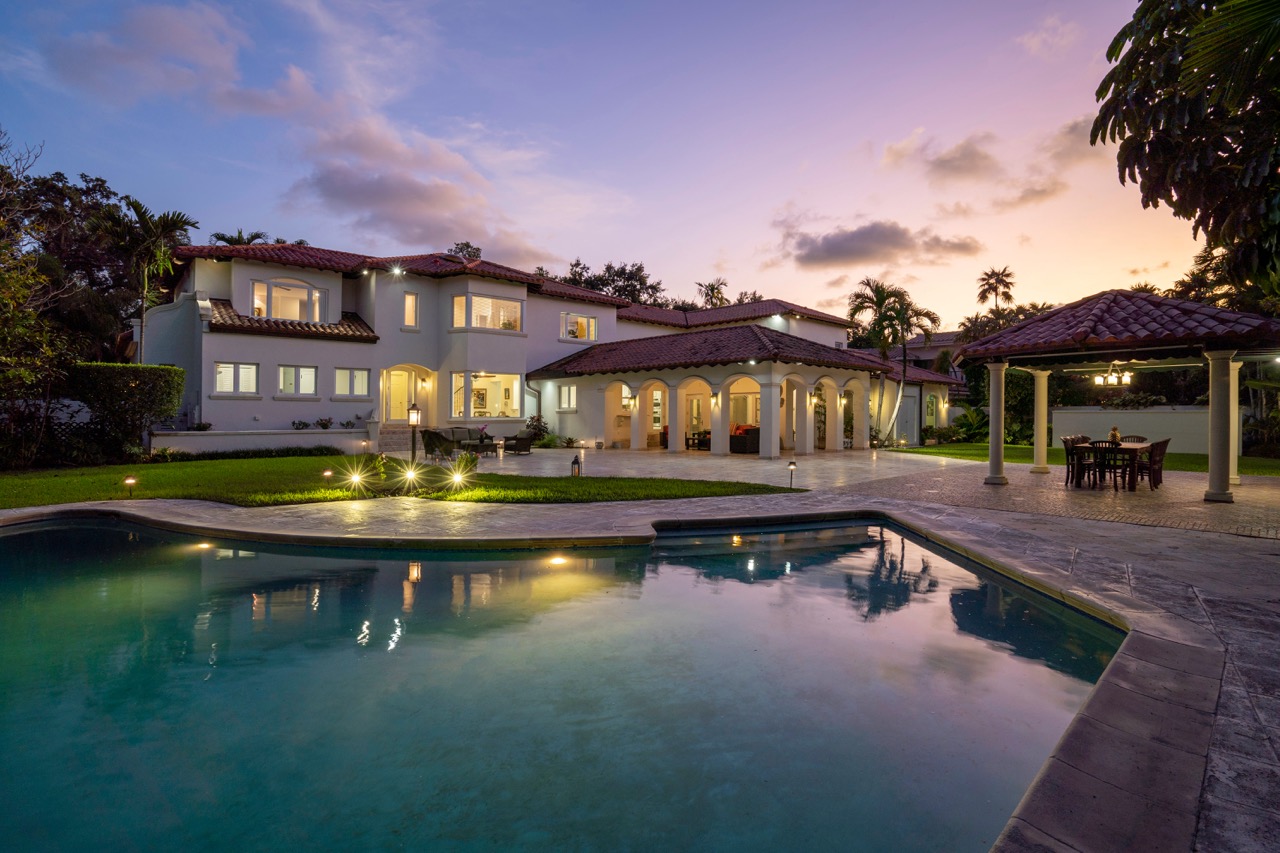
These properties typically include “over 10,000 square feet of living space, with main residences, guest houses, and poolside accommodations,” Iverson added.
In contrast, the average home price in the US, according to Zillow data, is $357,445, highlighting a stark contrast between the two.
Real investments often begin after the transaction is completed. Iverson pointed out that what often surprises middle-class homeowners is the “significant investment the ultra-wealthy make in residential security.”
He explained that although the communities where they purchase properties already possess a certain level of privacy and security, they tend to enhance security measures by “hiring private security personnel, owning security dogs, installing fences and walls, intrusion detection and monitoring systems, and even constructing safe rooms.”
He also mentioned that some buyers even acquire surrounding properties to further enhance privacy.
“Mark Zuckerberg purchased all residential properties surrounding his estate in Palo Alto to create a buffer zone.”
Real estate expert Sain Rhodes from Clever Offers mentioned that the way ultra-high-net-worth individuals purchase properties is “much like constructing an investment portfolio—strategic, diversified, and limitless.”
In the high-end real estate market, buyers view property transactions as part of a long-term strategy, rather than just meeting the everyday residential needs of a single home or through a single mortgage.
The affluent often rent short-term residences or vacation properties, but the rental levels far exceed what ordinary tenants can imagine. Rhodes pointed out that in Manhattan, monthly rents for a whole luxury apartment can range from $50,000 to $150,000, whereas in the Hamptons, summer rentals for beachfront luxury homes can reach $500,000 to over $1 million.
Iverson stated that during vacations in Europe, rental prices for properties in Monaco and the French Riviera “might even exceed $100,000 per month.”
Moreover, when ultra-high-net-worth individuals are scouting for their next property to purchase, they also choose to rent during the transition.
“They may rent for 6 to 12 months, and what they often rent are large estates, penthouses, or private mansions,” Iverson mentioned.