
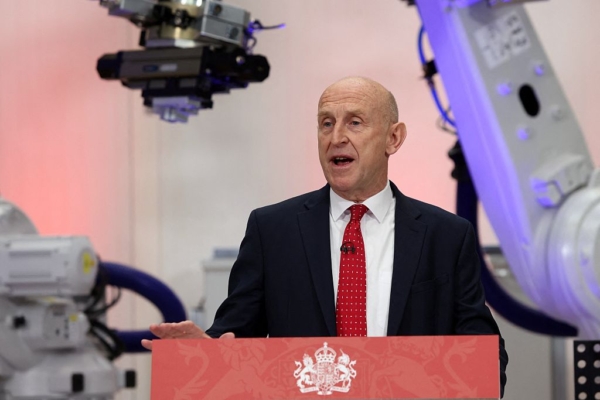
British Chancellor John Healey is reportedly considering raising the bank levy rate in the first budget to be announced on October 28th. One proposal on the table is to increase the rate from the current 3% back to 8%. The Trade Union Congress (TUC) estimates that increasing the rate to 8% could generate approximately £2.25 billion in additional revenue for the government annually.
According to a report by The Guardian on October 15th, the ongoing conflict in the Middle East has pushed up energy prices and government borrowing costs, leading to a recent increase in government borrowing costs. Analysts suggest that this could further squeeze the government’s existing fiscal buffer space. Sources from the government and the banking industry mentioned in the report indicate that Healey is considering increasing taxes on the banking sector to maintain the plan of reducing the fiscal deficit. The Treasury, however, has stated that it will not comment on rumors or suggestions.
Moreover, Healey has also received feedback from mid-sized and specialist banks like Revolut and Shawbrook, who have requested adjustments to the levy arrangements. These banks are hoping to raise the profit threshold for bank levy applicability from the current £100 million to £500 million. Government sources have noted that the Labour government is also mindful of the need for a favorable development environment for small and medium-sized banks, particularly in supporting them in providing loans to small businesses.
Data cited by The Guardian shows that the four major banks in the UK – HSBC, NatWest, Barclays, and Lloyds Banking Group – have collectively generated £200 billion in pre-tax profits over the past five years. The TUC argues that the banking sector, benefiting from high interest rates, should contribute more in taxes.
However, lobbying groups like UK Finance and TheCityUK from the banking industry have warned that increased taxation could weaken the UK’s attractiveness to investors and potentially lead to the relocation of some business and employees overseas. Jamie Dimon, CEO of JPMorgan Chase, had previously mentioned in May that if the UK government takes an unfriendly stance towards the banking industry, they might reconsider building their new £3 billion headquarters in London.
Healey has expressed his hope that the budget will provide relief for households and businesses amid rising energy prices while maintaining the government’s fiscal rules and deficit reduction plan.
The final tax rate and related measures for the bank levy are expected to be revealed in the budget set to be announced on October 28th.