
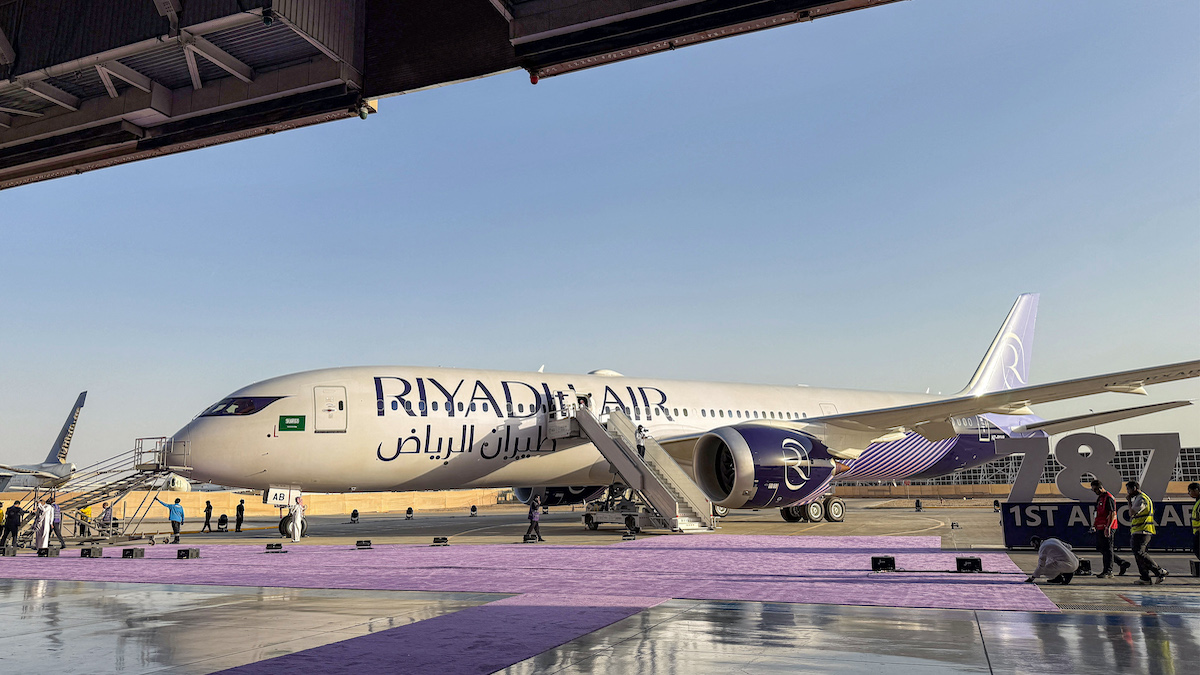
Due to the ongoing deadly attacks by Houthi rebels in Yemen, Saudi Arabia’s Riyadh airport has extended its closure until Saturday, the 17th; leading many international airlines to cancel flights.
The Saudi General Authority of Civil Aviation stated in a release on October 11 that the King Khalid International Airport in Riyadh has temporarily suspended operations. They are currently coordinating with relevant authorities for a comprehensive assessment of damages and facility security verification.
A Notice to Airmen (NOTAM) issued on October 12 indicated that the airport will remain closed until 21:00 GMT on October 17.
King Khalid International Airport is the second busiest airport in Saudi Arabia. Since the attack by Houthi rebels on October 10, the airport has been closed. The attack on that day resulted in the deaths of 13 people and over 300 injuries. Another attack the following day led to one fatality and 12 injuries.
This is one of the most severe damages suffered by the Saudi aviation industry in recent years, exacerbating the pressures already faced by the sector. Conflicts in the Middle East and the rising prices of aviation fuel have compressed profits in the aviation industry.
Following the attack on Riyadh Airport, several European and Asian airlines have temporarily halted flights to Riyadh, albeit with slightly varying durations. Among the airlines taking action are Lufthansa from Germany, Etihad Airways from the UAE, Air India, Philippine Airlines, Cathay Pacific from Hong Kong, and Air France-KLM group, among others.
The Federal Aviation Administration in the US has advised American airlines to exercise caution when traveling to or overflying Saudi Arabia. The European Union Aviation Safety Agency has also expanded warnings over the Saudi Arabian airspace, citing potential missile and drone attacks.
The repercussions are not only confined to Saudi Arabia but also extend to a broader region and its global connections. OPSGROUP, a membership-based organization offering aviation safety advice, suggests that airlines completely avoid the southern air corridor over the Middle East and instead opt for routes from Europe through Central Asia to Asia, despite the apparent increase in flight distance.
(This article was adapted from a report by Reuters)