
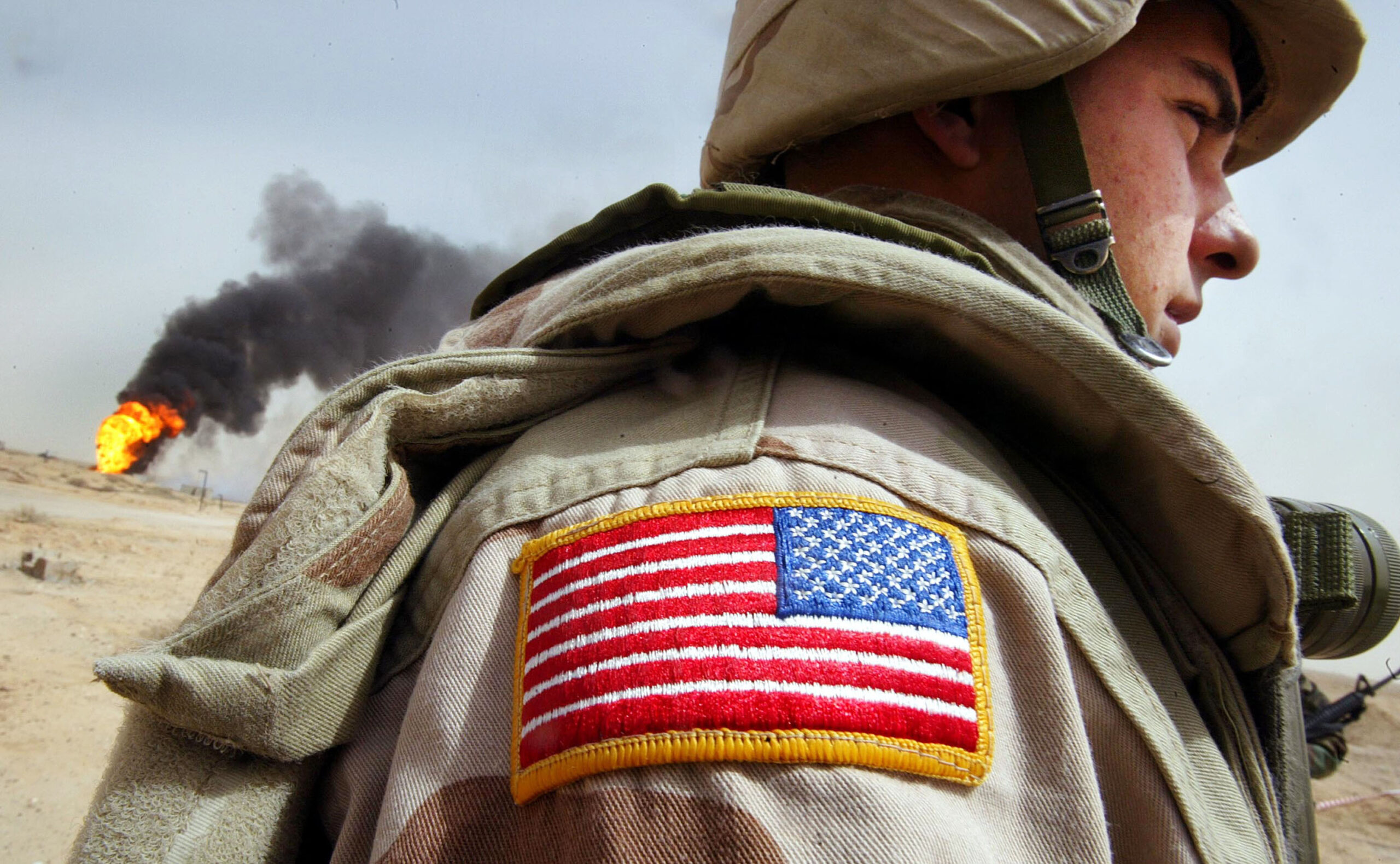
The US Department of Defense announced an increase in Hostile Fire Pay and Imminent Danger Pay starting Thursday, October 1. This marks the first adjustment to these allowances since 2002. The US Marine Corps had already disclosed the increase in pay last week through a “pre-notification” method.
According to a memo issued by Assistant Secretary of Defense for Manpower and Reserve Affairs Timothy Dill, Hostile Fire Pay has been raised to $450 per month, and the cap on Imminent Danger Pay has been increased to $275 per month. Prior to the adjustment, both allowances had a maximum limit of $225 per month.
Imminent Danger Pay is calculated on a daily basis, previously set at $7.50 per day with a maximum of $225 per month; Hostile Fire Pay, on the other hand, is distributed monthly, with eligible personnel receiving the full monthly amount.
US military personnel are eligible for Hostile Fire Pay when they meet certain criteria outlined in the Department of Defense financial management regulations. This includes carrying out missions in areas with hostile fire, encountering hostile fire incidents or enemy landmine explosions, being in regions facing severe risk of bodily harm due to hostile events, or being injured or killed in hostile actions.
Imminent Danger Pay applies to service members serving in designated foreign areas facing imminent danger of bodily harm due to civil unrest, insurgency, terrorism, or wartime conditions. Specific eligible regions and conditions are defined by relevant regulations.
Both allowances cannot be received simultaneously during the same period. According to a Pentagon memo, the branches of the military will coordinate with the Defense Finance and Accounting Service to ensure service members do not receive both allowances redundantly.
Pentagon spokesperson Sean Parnell expressed in a post on X platform on Thursday, “Our troops in harm’s way deserve compensation commensurate with the risks they face. This is the first time in over twenty years that the Department of Defense has increased Hostile Fire Pay and Imminent Danger Pay.”
Parnell added that if a designated area for Imminent Danger Pay is escalated to an actual combat status, military commanders can switch the pay category for personnel from Imminent Danger Pay to Hostile Fire Pay. He also noted that this arrangement provides a clear and timely mechanism for determining pay adjustments when risks escalate.