
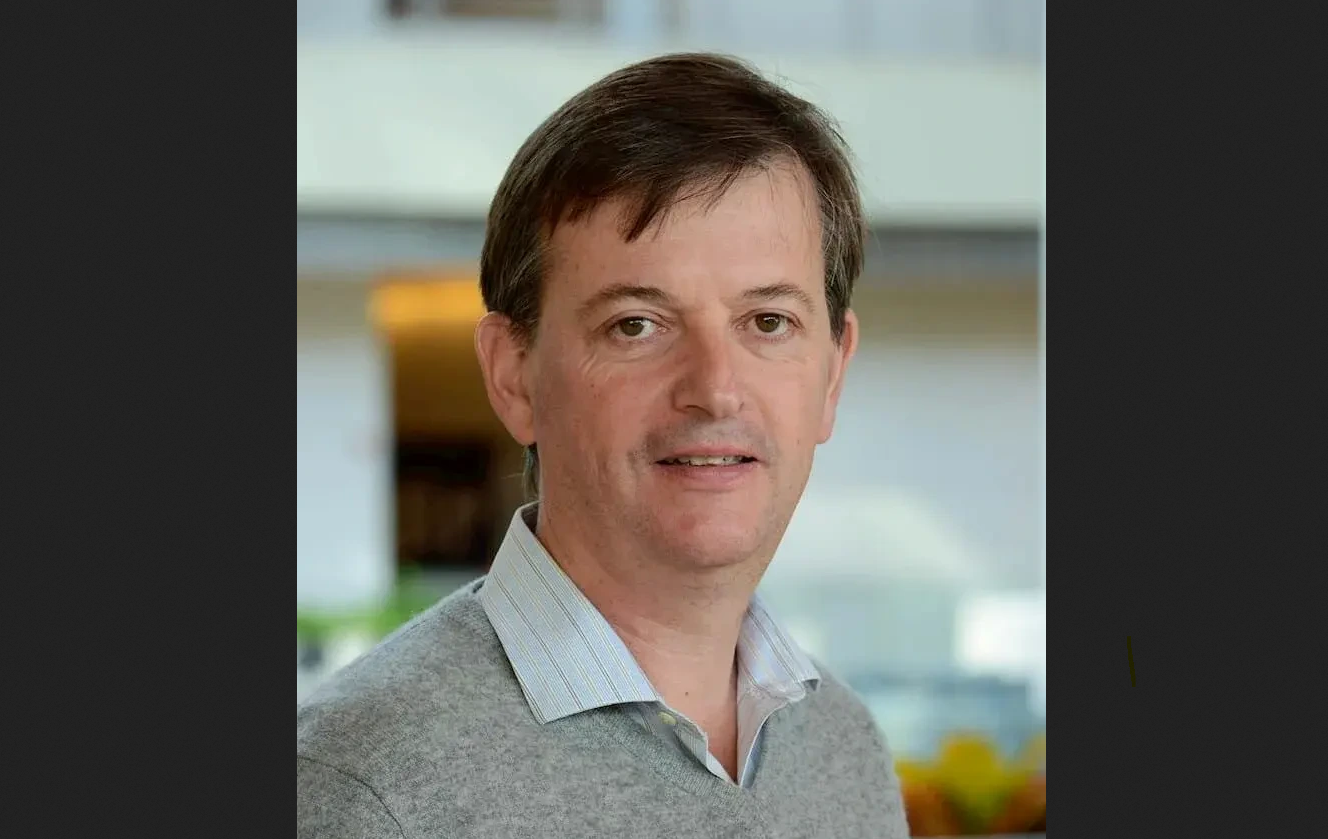
The University of Chicago professor’s extraordinary productivity and the use of AI technology to churn out a large volume of papers and publications within a short period have raised eyebrows and sparked debates in academic circles.
Nicholas Polson, a statistician at the University of Chicago’s Booth School of Business, has single-handedly or collaboratively published over 200 papers and been listed as an author on as many as 14 books in just nine months this year, according to a report by The Washington Post on September 23.
The preprint network platform Social Science Research Network (SSRN) recently removed 257 works authored solely or in collaboration by Polson and temporarily suspended the related accounts due to the unusually high submission volume.
SSRN stated that the primary reason for this decision was the excessive output, not necessarily the question of whether AI usage was disclosed in the papers, although most of the papers did not explicitly state the use of artificial intelligence.
As of now, no formal allegations of research misconduct have been raised against the professor.
Polson admitted to The Washington Post that he utilized AI in his research process, claiming that it helped reduce redundant work and enabled him to delve more efficiently into topics of interest.
He rebuffed criticisms and doubts directed at him, attributing them to “envy and a desire to steal my paper-writing method.” However, he did not address whether the use of AI was disclosed in his papers.
Jeremy Horpedahl, an economist at the University of Central Arkansas, expressed disbelief at the feat of publishing over 200 papers in nine months, deeming it unprecedented and incredible.
Andrew Gelman, a statistician at Columbia University, mentioned after reviewing an approximately 80-page paper that the content lacked substantive value, with some text appearing to be generated by a chatbot.
Auyon Siddiq, a professor at the University of California, Los Angeles, emphasized the importance of not only focusing on quantity but also variety in topics and differentiation from previous works when it comes to academic papers and publications.
The University of Chicago has not responded to inquiries regarding plans to investigate the matter or require faculty members to disclose the use of artificial intelligence.
Recent warnings in academic circles caution that while AI can assist with tasks like literature searches, it may also lead to increased plagiarism, false citations, or analytical errors.
A study examining 3,200 peer-reviewed papers this year found that 2% of the papers had at least one unverifiable citation.
Claudine Gartenberg, the editor of Organization Science, revealed data suggesting that since the introduction of ChatGPT in 2022, the journal’s submission rate has nearly doubled. Furthermore, even some reviewers are starting to use AI to evaluate papers, raising concerns about the quality of peer review.