
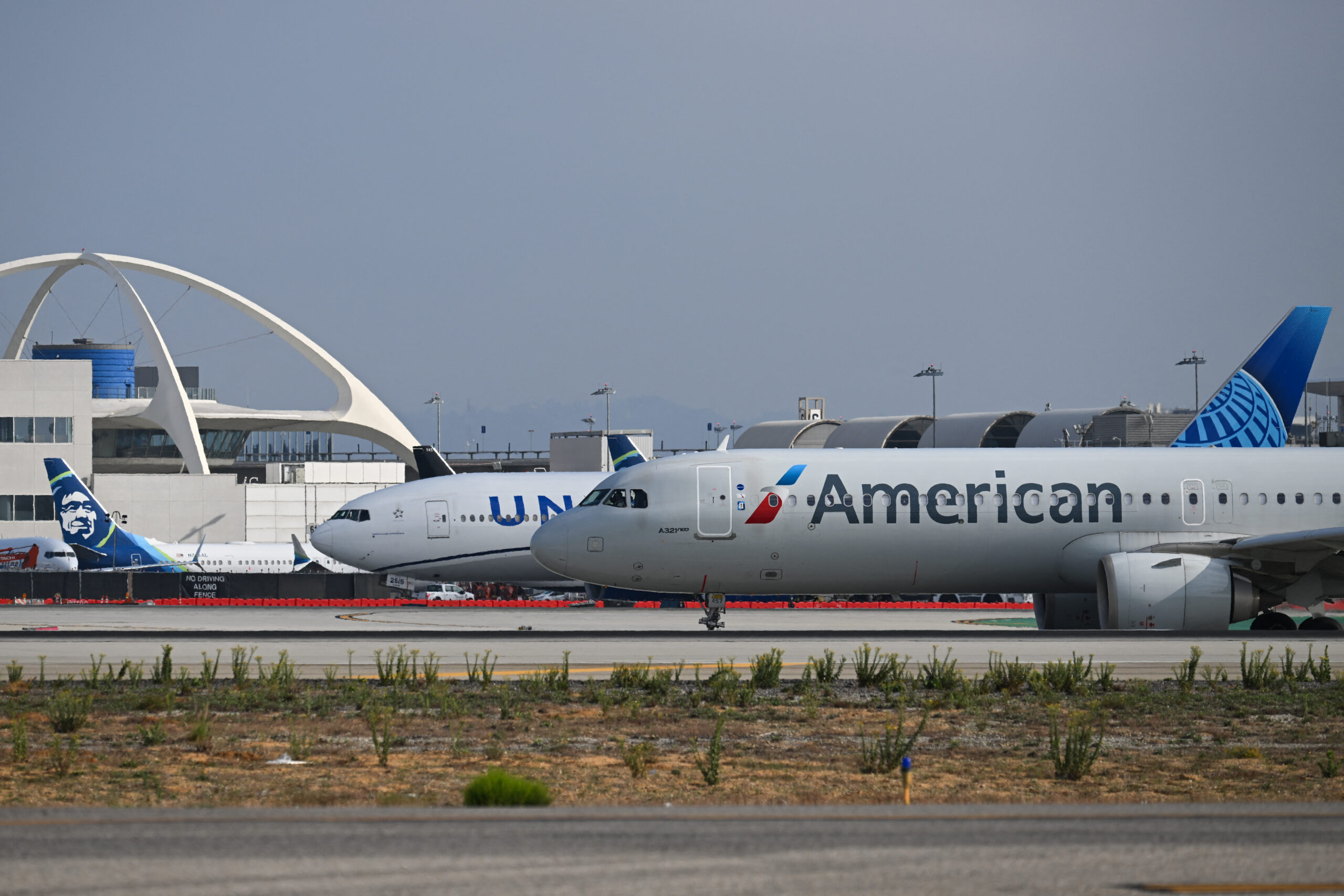
On Thursday, September 24, European aviation manufacturing giant Airbus confirmed that a “quality issue” was found in the fuselage structure of its main aircraft model, the A321neo. However, they emphasized that the issue does not pose a safety risk and related aircraft can still fly normally. Insider sources revealed that around 500 of these aircraft are affected.
According to sources familiar with the matter who spoke to industry publication The Air Current, the issue originated from an undisclosed Tier 2 supplier who did not provide sufficient corrosion protection on the aircraft structure. During routine rework on the production line, Airbus employees noticed a deviation in the surface protection coating of the lower front fuselage frame component known as “stringers,” which could reduce the corrosion resistance of the fuselage structure.
Sources stated that Airbus first noticed this anomaly as early as this summer and only reached a final conclusion after further analysis. The defect affects approximately 500 aircraft, including about 250 in-service planes and 250 in-production planes.
Airbus mentioned that they have identified and controlled the root cause of the issue and have devised appropriate remedial solutions.
The A321neo is Airbus’ largest and most popular single-aisle aircraft, capable of carrying up to 244 passengers in the standard version with a range of up to 4,000 nautical miles (7,400 kilometers). The insider additionally noted that this defect does not impact the long-range version of the aircraft, the A321XLR model.
Insiders further disclosed that Airbus has informed customers that there is no immediate need to ground or conduct maintenance on the affected aircraft. Customers are continuing to receive aircraft deliveries as usual, and there is no strict requirement for early additional measures.
However, sources indicated that Airbus will need to perform rework on the affected in-production aircraft in their production system, which might result in pressure on the mid-term delivery schedule. If the repair is not completed before delivery, the aircraft will still require in-service inspections and rework repairs during their operational service in the coming years.
Additionally, European regulatory authorities may require Airbus to rectify this defect within a certain timeframe.
Delta Air Lines, which operates A321neo aircraft in the United States, responded by stating that the company has maintained close communication with the aircraft manufacturer and adheres to or even exceeds the manufacturer’s and regulatory authorities’ directives.
Currently, Airbus is planning to increase its monthly production of narrow-body aircraft from 60 to around 75, and this quality lapse has become its latest production challenge. This is the second fuselage manufacturing issue Airbus has faced within nine months. In December of last year (2025), the company encountered several months of delivery delays due to defects in the fuselage panels.
Prior to this, Airbus has also been dealing with multiple challenges such as engine shortages and non-compliant component manufacturing, leading to noticeable production delays and making it difficult to achieve the target of delivering 850 to 890 aircraft in 2026.
As of the end of August, the company has delivered a total of 475 aircraft this year and is preparing for the annual delivery surge in the fourth quarter. Airbus currently expects that this latest quality defect will not impact its overall delivery target for the year.
(This article references Reuters)