
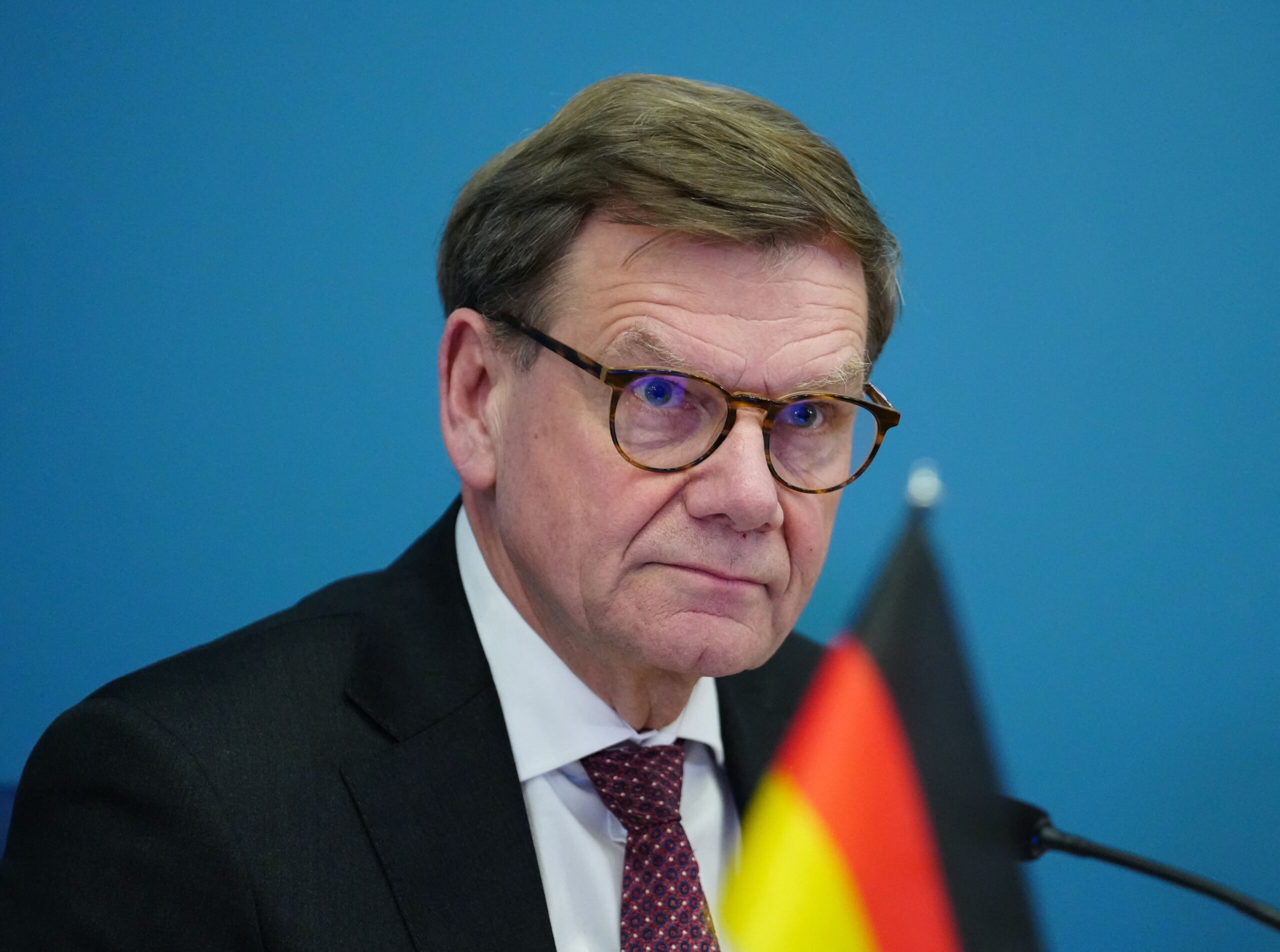
On Tuesday, September 8th, German Foreign Minister Johann Wadephul strongly criticized Russian Foreign Minister Sergei Lavrov’s statement accusing Germany of provoking a “real war” during an interview with Bild. Wadephul demanded that Ukraine, after receiving a significant amount of aid, should purchase more German-made weapons and expressed willingness to provide a list of eligible Ukrainian men stranded in Germany to assist with recruitment efforts in Kyiv.
According to Bild, Wadephul harshly condemned Lavrov’s comments and attributed the unsuccessful drone attack at Leipzig/Halle Airport on August 4th to Russian orchestration, holding Moscow accountable for the incident.
Wadephul emphasized that Germany has responded and must continue to do so. Germany plans to close the Russian consulate in Bonn on September 18th, terminate the operational contract of the Russian cultural institution “House of Russia” in Berlin, strengthen entry checks for Russian citizens, and intensify efforts to counter Russia’s “shadow fleet” among other retaliatory measures.
Critiquing Lavrov’s deliberate choice to make the remarks in Saxony-Anhalt, Wadephul described it as a strategic move aimed at stirring controversy. He stressed the need to recognize that the current Russian government is using all possible means to influence German society.
During the interview, Wadephul bluntly stated that Germany is Ukraine’s largest financial and military supporter and that Ukraine should reciprocate German aid by purchasing more weapons from German companies.
He noted, “During my last visit to Ukraine, I directly conveyed this point to Zelensky. While we stand by you and provide support, we also have to be accountable to German taxpayers. Your role now is to involve German defense companies in all military procurement projects.”
Wadephul further expressed dissatisfaction with the volume of orders by Ukraine to German defense industries and urged Ukraine to review and improve their approach.
Regarding the stranded Ukrainian males in Germany, Wadephul supported the appeal made by Markus Söder, the leader of the Christian Social Union (CSU) in Bavaria, suggesting that Ukrainian men of conscription age in Germany should return to Ukraine for service.
He mentioned that Berlin could assist the Ukrainian government in verifying the identities of these men by utilizing information from social welfare recipients, registered residents, and holders of residence permits.
Additionally, Wadephul rejected calls from Social Democratic Party (SPD) chair Isabel Cademartori to reexamine military spending levels and seek peaceful solutions, emphasizing that the majority of German citizens support the government’s policy towards Ukraine.
Wadephul concluded by expressing Germany’s hope for a swift end to the conflict between Russia and Ukraine, ultimately providing a peaceful life for Germany and Europe.
When asked about the possibility of engaging in dialogue with Russian President Vladimir Putin, Wadephul stated, “If he is genuinely willing to discuss ending this war, we are willing to engage in dialogue.”
He acknowledged that Germany currently sees no indication of Putin’s willingness to engage in dialogue but reiterated the commitment to diplomatic efforts to achieve peace. Wadephul highlighted negotiations between Russia and Ukraine on food security and the potential extension of discussions to the protection of energy infrastructure as a positive step towards peace. He suggested that these negotiations could serve as a small step towards achieving peace.