
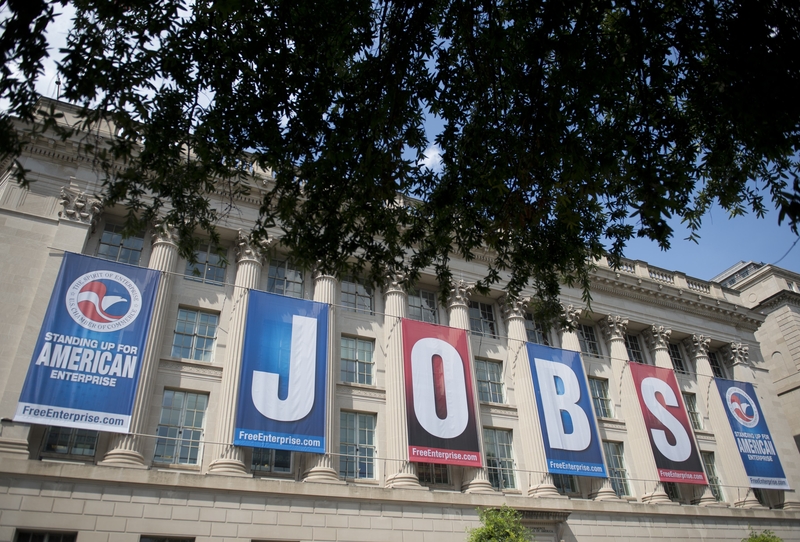
The momentum of artificial intelligence (AI) is not only driving recruitment for tech companies, but it may also be ushering in an unexpected wave of blue-collar job opportunities. With large-scale construction of data centers, power systems, and related infrastructure by American enterprises, there is a rapid increase in demand for skilled workers such as electricians, masons, plumbers, heavy equipment operators, and logistics personnel.
According to Cole Renken, General Manager of construction equipment manufacturer Merlo America, large projects first require heavy equipment operators for land preparation, followed by logistics personnel coordinating materials, and then progressing to concrete, electrical, and pipeline works. Among these, electricians may face particularly strong demand.
“For years, people have not fully recognized the benefits of working in the skilled trades industry,” Renken added. “It is a job with very stable income and can provide you with a relatively stable life.”
A report released by Merlo America and the predictive sales intelligence company BiltData.ai projects that U.S. construction spending is expected to increase from $22.2 trillion in 2026 to $28.5 trillion in 2031. Industrial construction spending, including factories and data centers, is expected to reach $684 billion by 2031, accounting for approximately 24% of total construction spending in the U.S.
This construction boom is closely related to the rapid expansion of AI, cloud computing, and 5G infrastructure. Data centers require a large workforce from land preparation, construction, to equipment installation, and these jobs will not disappear immediately after the facilities are completed.
Brittany Kaiser, CEO of AI infrastructure company Alpha Compute, stated that even after data centers are built, personnel are needed for equipment installation, operation monitoring, and maintenance. If expansion continues, workers will still be required for construction.
“These projects can provide hundreds or even thousands of job opportunities in the years to come. This is not a short-term construction project,” Kaiser described data centers as “an ongoing construction project” that will need workers in various fields such as construction, electrical work, energy development, monitoring, and maintenance as facilities continue to evolve and expand.
This sustained demand may also create opportunities for surrounding communities, especially for residents who can undergo professional training and engage in related work.
Kaiser stated, “These jobs can also be mastered through training. Therefore, it is entirely possible to collaborate with the community to launch education and training programs, giving people the opportunity to engage in high-paying jobs that previously required skills they did not have.”
However, as the number of projects increases, finding enough skilled workers may also become a challenge.
Renken mentioned that throughout his career, shortages of skilled workers have always been an issue across various industries, and with more projects starting, the shortage may worsen. He believes that this wave of AI infrastructure construction also serves as a reminder that even the most advanced technology still relies on physical infrastructure and the skilled workers needed to build and maintain these facilities.
“In my opinion, this is an overlooked market that has not received the attention it deserves,” he said. This AI infrastructure race may be shedding light on skilled workers who have long been overshadowed by the glamour of high-tech jobs.