
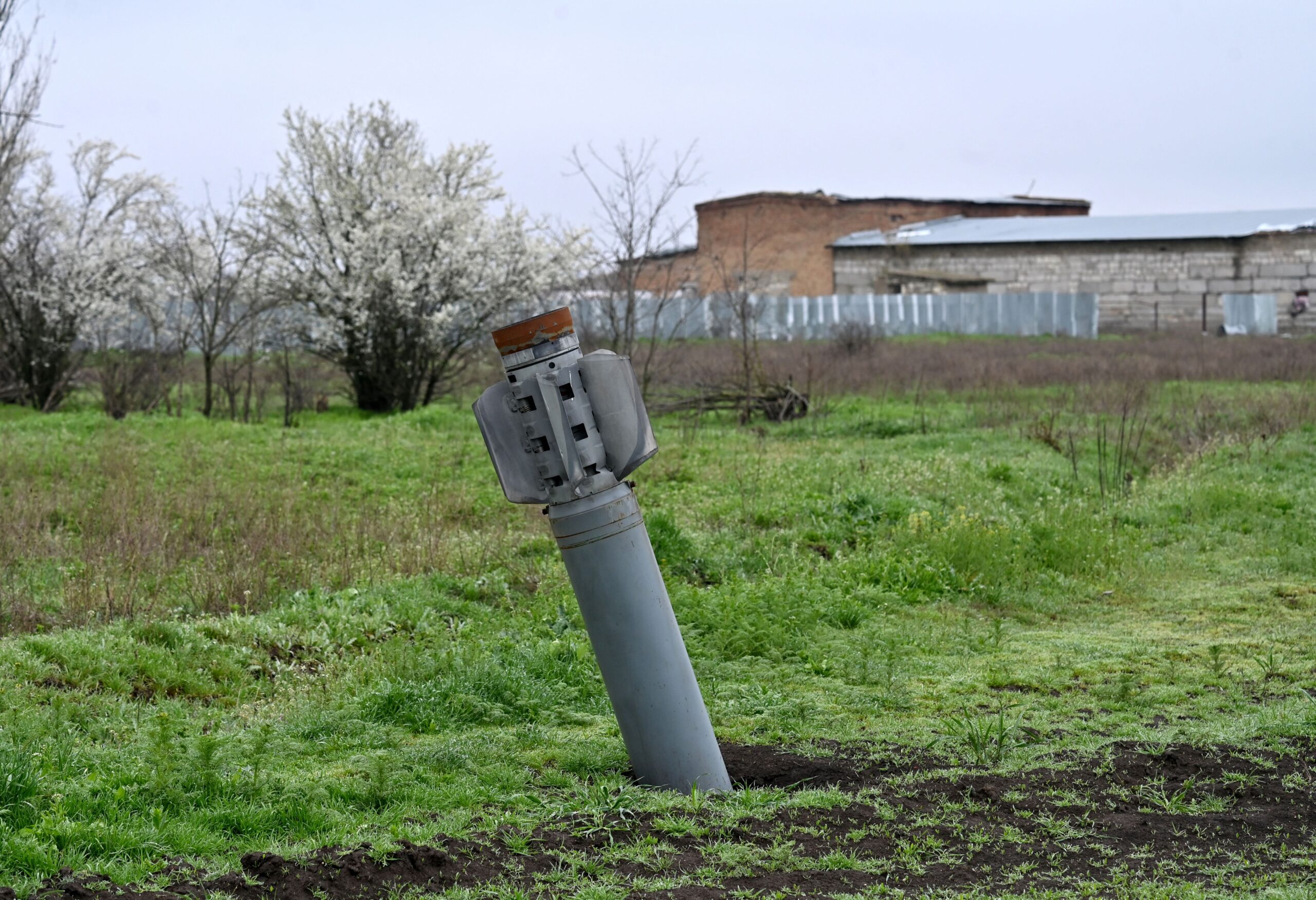
Experts warn that Russia’s war machine is increasingly relying on a transnational “authoritarian supply network,” linking the European battlefield more closely with the Indo-Pacific region, prompting Western countries to collectively respond.
Zahar Hryniv from the Eurasia Center of the Atlantic Council in the United States described in an article that Russia’s war machine is now supported by an authoritarian supply chain: missiles, ammunition, and personnel from North Korea, drones from Iran, and dual-use equipment from China.
Recently, Ukrainian President Zelenskyy warned that the Kremlin has decided to deploy 30,000 to 50,000 North Korean soldiers within Russia. However, Hryniv pointed out that the impact of North Korean ballistic missiles on the airspace struggle in Ukraine may have more profound consequences.
Hryniv warned that if the Kremlin decides to internationalize its aggressive war, the United States and its allies must stand firm to ensure that Moscow, along with its partners in Pyongyang, Tehran, and Beijing, pay a heavy price for expanding this war.
The cooperation between Russia and North Korea is further deepening, with reports indicating the deployment of missile troops and the supply of missiles and ammunition to Russia. Meanwhile, the collaboration between Russia and Iran has led to the production and enhancement of drones for military purposes as well.
It has been observed that Russia is collaborating with Iran for transferring drone technology and is using the battlefield experience in Ukraine to improve electronic warfare, communication, navigation, and targeting capabilities. This cooperation has evolved into a two-way military-industrial feedback system.
Additionally, China has become a decisive external supporter to Russia’s war efforts, providing crucial dual-use products and industrial components that Russia cannot produce on a large scale by itself. This partnership has significantly aided Russia’s military capabilities and production capacity.
As the collaboration between these countries deepens, the support network is evolving beyond traditional models of one-way military assistance. The integration of resources from different sources like North Korean missiles, Iranian drone technology, and Chinese industrial components is reshaping Russia’s warfare system. The exchange of real-time battlefield data and technical expertise is enhancing the military capabilities of all involved parties.
In response to these developments, it is suggested that Western countries accelerate support for Ukraine’s air defense systems, provide assistance in countering Russian missile attacks, and enhance Ukraine’s ability to combat incoming threats from various fronts. Strengthening Ukraine’s defense capabilities through the production of air defense systems and joint missile projects is essential for bolstering the region’s security.
The current situation calls for bold actions and international cooperation to address the escalating crisis. Increased funding and resource allocation to Ukraine are crucial to sustain its long-range drone operations and combat Russia’s missile offensives effectively. As Russia intensifies the internationalization of the conflict, a united response from the US and its allies is imperative to counter this threat effectively.