
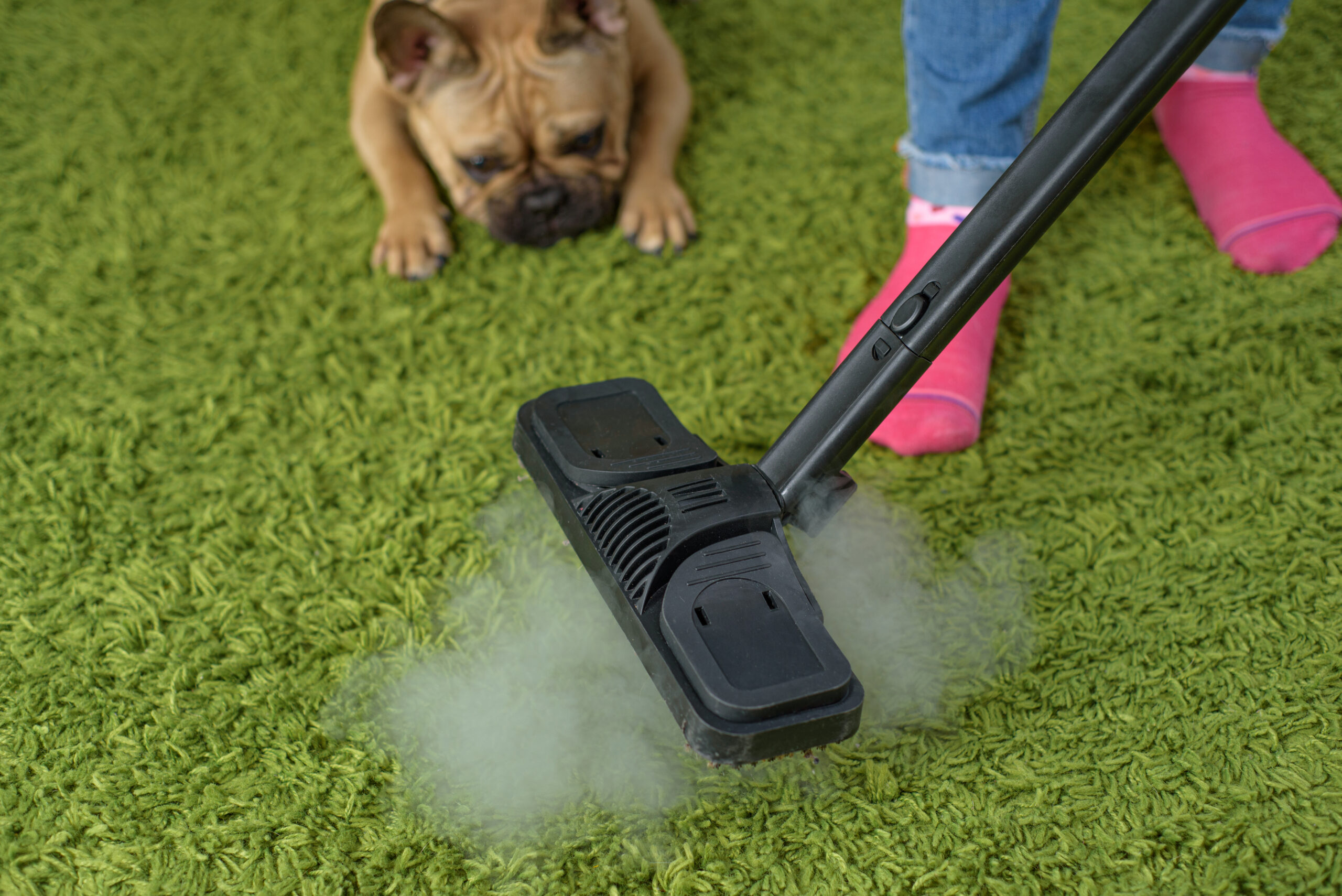
People at home using a vacuum cleaner can create noise that may be terrifying for dogs, causing them to feel scared. Although some netizens have shared ways to “cure” this issue for dogs, experts say that such methods may not be advisable as they could worsen the situation. So, what is the correct approach?
According to a report by the UK’s “Daily Express,” a Reddit user posted that their dog is very scared of the vacuum cleaner at home. Every time the dog sees it, it runs away as far as possible, then sits down with an accelerated heartbeat and trembling all over.
Some pet owners suggested a direct approach to addressing the problem – scolding loudly in front of the dog when the vacuum cleaner is present, hoping to show the dog that the owner is firmly on its side.
However, Hannah Harris, Behavior Policy Manager at the Dogs Trust charity foundation, has a different perspective. Harris stated that although owners may mean well, introducing more noise into a situation where the dog is already fearful could actually make the situation worse.
She said, “We understand that people want their dogs to be more confident and relaxed when facing things that scare them.”
But creating more noise or increasing the volume could leave dogs feeling overwhelmed and intensify their fear, she explained. When helping dogs overcome fear, remaining calm is crucial. “Dogs learn through their own experiences and associations. If you want to change how a dog feels in a scary situation, staying calm is key.”
She advised not to immediately confront the vacuum cleaner but gradually introduce the device to the dog, allowing the dog to control the pace of adaptation.
Initially, you can place the vacuum cleaner at a distance from the dog while it remains calm and provide rewards. As the dog gradually adjusts, you can slowly introduce the noise and movement of the vacuum cleaner while in operation.
Harris emphasized, “The goal is to help your dog develop a positive association with the vacuum cleaner, rather than starting by making it an archenemy.”
Pet health website PetMD pointed out three main reasons why dogs are scared of vacuum cleaners:
### Sensory Overload:
Dogs have much sharper hearing than humans and can detect low-intensity and high-frequency sounds that humans cannot. While the noise of a vacuum cleaner may be merely annoying for you, for dogs, it can be genuinely frightening. The vibrations produced by the vacuum cleaner can be sensed by dogs through the floor. To dogs, the vacuum cleaner may seem like a giant monster invading their territory, especially since its appearance is unpredictable, and it can suddenly start or stop.
### Negative Past Experiences:
Puppies have a critical socialization window, usually between 3 to 12 weeks after birth. If they haven’t had positive interactions with a vacuum cleaner during this period, they may develop a fear of it in the future. Similarly, adult dogs that have been frightened or hurt by a vacuum cleaner in the past may also have similar reactions. These memories can persist for a long time.
### Personality:
Some dogs are naturally more sensitive and prone to fear reactions than others of the same species.
Apart from the methods mentioned by Harris, the PetMD website also shares other ways to help dogs overcome their fear of vacuum cleaners.
For instance, you can turn on the TV or play soothing music while using the vacuum cleaner to help buffer the noise. You can also use treats or interactive toys to divert the dog’s attention, focusing its interest on food rather than on the activity happening in the hallway.