
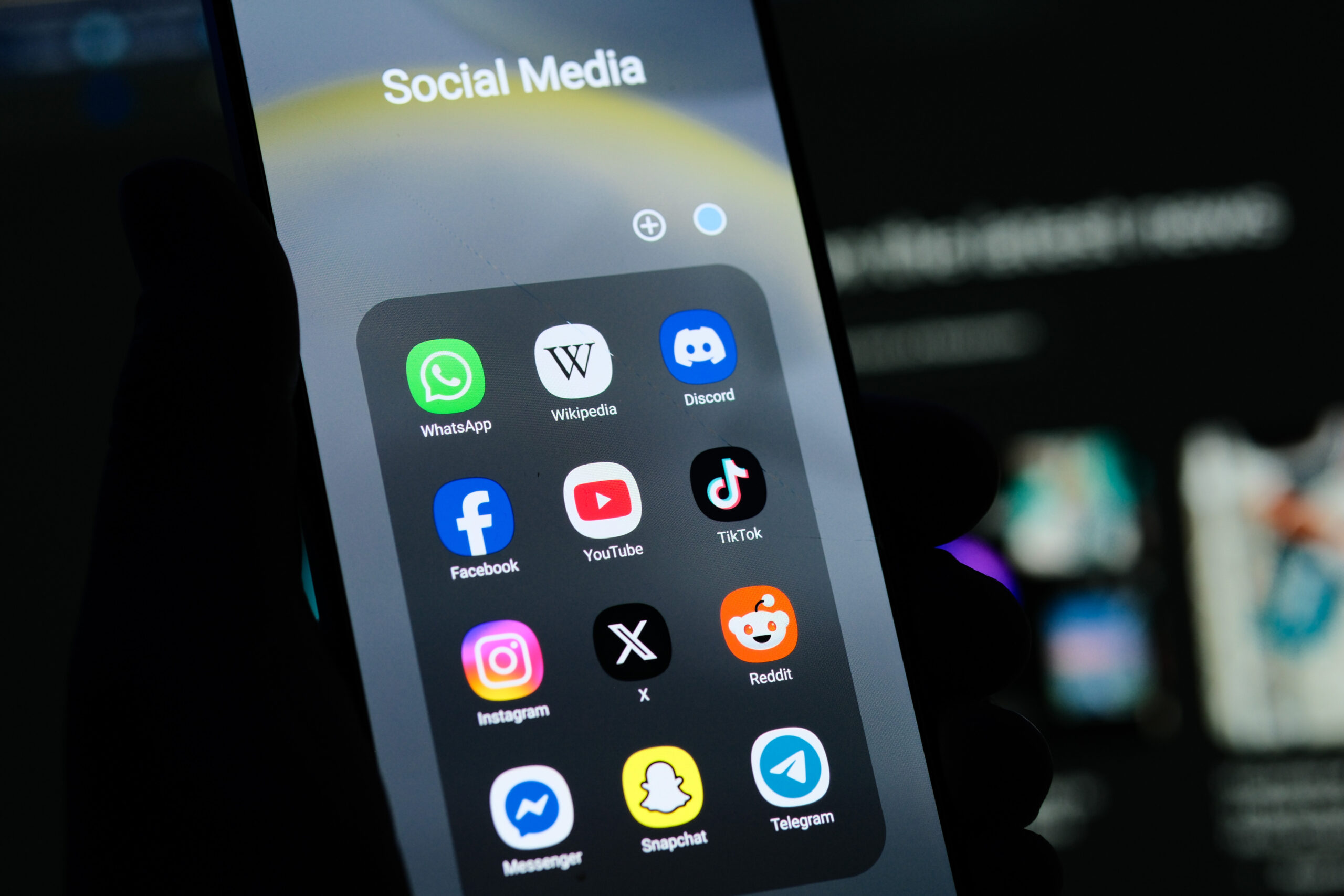
New Zealand Prime Minister Christopher Luxon announced on Monday the submission of the Online Safety Bill to Parliament, seeking to prohibit children under the age of 16 from using social media platforms. Violating platforms could face fines equivalent to 10% of their global revenue.
Luxon emphasized that the government “cannot accept” the harm social media is causing to the new generation of New Zealand children. He pointed out that currently, 1 in 3 teenagers aged 13 to 17 spends at least 5 hours on social media daily. Social media exposes children to harmful content, addictive technologies, and various pressures they may not be equipped to handle, impacting family life, mental health, sleep, and academics.
Parents are responsible for monitoring which social media platforms their children use, but social media companies should also bear responsibility. Luxon stated, “Just as we have measures in the real world to protect children, the virtual world also needs these protections.”
According to a joint statement released on the government’s official website “Beehive,” Luxon, along with Education Minister Erica Stanford, announced that the government will introduce the Online Safety Bill to prohibit individuals under 16 from using social media and require tech companies to take more responsibility for child online safety.
Under the bill, high-risk social media platforms such as Instagram, TikTok, Snapchat, and Facebook must take “reasonable steps” to verify users are over 16. Verification methods may include using existing account information, facial age estimation, digital identity services, and official identification cards.
The bill also mandates that platforms used by children regularly assess potential risks and report on how to identify and mitigate these risks. Companies failing to fulfill these obligations could face fines up to 10% of their global revenue.
Additionally, the bill will bring emerging technologies, including artificial intelligence platforms, under regulatory oversight and establish a network security regulatory agency within New Zealand’s Ministry of Internal Affairs to independently monitor platform compliance, investigate relevant companies, and enforce the law.
Reports from media outlets like Reuters indicate that one of Luxon’s ruling coalition partners, the New Zealand First Party, has expressed clear opposition to this legislation.
The party leader, also serving as the Minister of Foreign Affairs, Winston Peters, has voiced concerns about the legislation and its potential developmental trajectory, suggesting that such laws could lead the country down a “slippery slope.” Peters criticized the similar policy implemented by Australia as a “complete failure” and advocated for parental responsibility in limiting children’s social media usage.
In December 2025, Australia became the world’s first country to ban children under 16 from using social media, covering major platforms such as TikTok, YouTube, Instagram, and Facebook. The regulations require platforms to take measures to prevent underage users from creating or continuing to use accounts.
Statistics from the Australian eSafety regulator, released at the end of July this year, indicate that three months after the implementation of the ban, the percentage of children under 16 with social media accounts decreased from 52.4% to 42.1%. However, 81.5% of minors still reported using at least one restricted social platform, reflecting a 4.4% decrease from before the ban was enforced at 85.9%.
Luxon stated that the government cannot expect all children to completely disengage from social media. However, early evidence from Australia suggests that the minimum age restriction has started to alter usage behaviors. This policy aims to have immediate tangible effects and gradually change the usage habits of future generations.
Alongside legislative measures, the New Zealand government will enhance education and public awareness efforts, providing more information and tools to parents, schools, and communities to help children safely navigate the internet.