
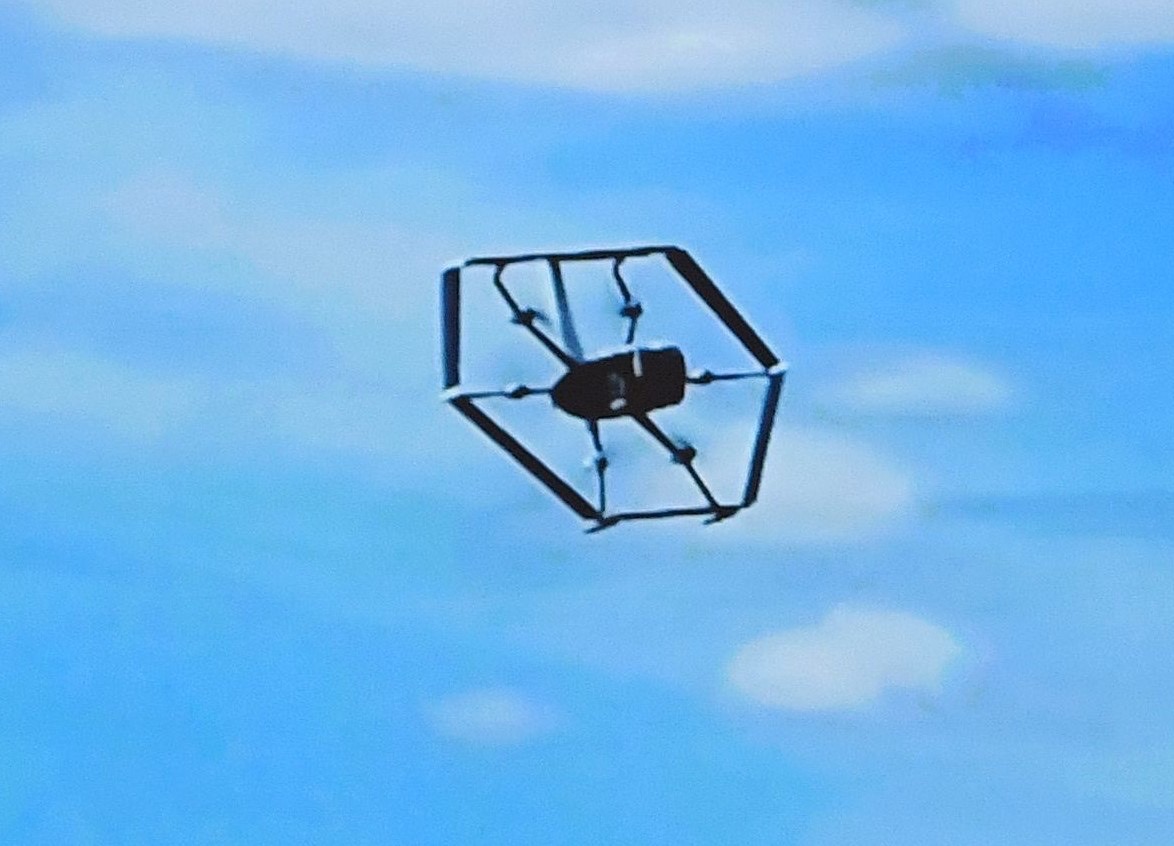
Amazon announced a plan on Thursday, August 13th, to expand its drone delivery service to the suburbs of nearly 500 cities in the United States by the end of this year. This expansion will allow millions of people to receive smaller and more convenient Amazon packages.
According to a press release by Amazon, drones are capable of delivering parcels weighing up to 5 pounds to customers within as fast as 30 minutes. The company’s plan will enlarge its drone delivery business by over six times nationwide, covering hundreds of new communities, including metropolitan areas like Chicago, Atlanta, Cleveland, and Boise, Idaho.
At present, Amazon is engaged in fierce competition with Walmart, as both giants rely on a combination of drones and drivers to deliver all goods ordered by consumers, striving to provide the fastest service possible to customers.
This year, Amazon drones have already delivered hundreds of thousands of packages. However, even with this expansion, drones will only handle a small portion of the billions of packages delivered annually.
DoorDash and other delivery companies are also experimenting with using drones to transport food and other goods.
The flights of these drones will mainly be restricted to suburban areas, away from high-rise buildings and major airports that could pose potential issues.
In addition to being limited to carrying 5-pound goods, Amazon-manufactured drones face numerous challenges, from tree obstructions to landscaping and inflatable pools, all of which can make it difficult for drones to find suitable drop-off locations.
Furthermore, every community Amazon aims to operate in faces regulatory obstacles. Residents may protest the noise issues caused by drones.
Sucharita Kodali, a retail analyst at consulting firm Forrester, stated, “This is still an experiment, still in a testing and learning phase.” Kodali noted that consumers might initially order drone delivery services out of curiosity, but it is unclear how long they will continue to use the service, and Amazon is still studying its economic viability.
Amazon Prime members can enjoy free service for orders over $50, while smaller orders require a $2.99 service fee.
Non-members will need to pay $4.99 for drone delivery, and if the order amount is below $35, a flat delivery fee will apply. Same-day delivery service (if available) can incur a delivery charge of up to $12.99.
Kodali pointed out that drones may be more useful for urgent delivery of lightweight items like prescription drugs.
Amazon continues to invest in its warehouses, smaller delivery centers closer to customers, and its fleet of trucks to ensure packages are delivered in minutes or hours (rather than days).
Amazon has received certification from the Federal Aviation Administration (FAA) and exemptions to use drones beyond the line of sight of the pilot. The company is also implementing other safety measures to help drones avoid collisions with other objects in the air.
(Adapted from a report by Newsmax)