
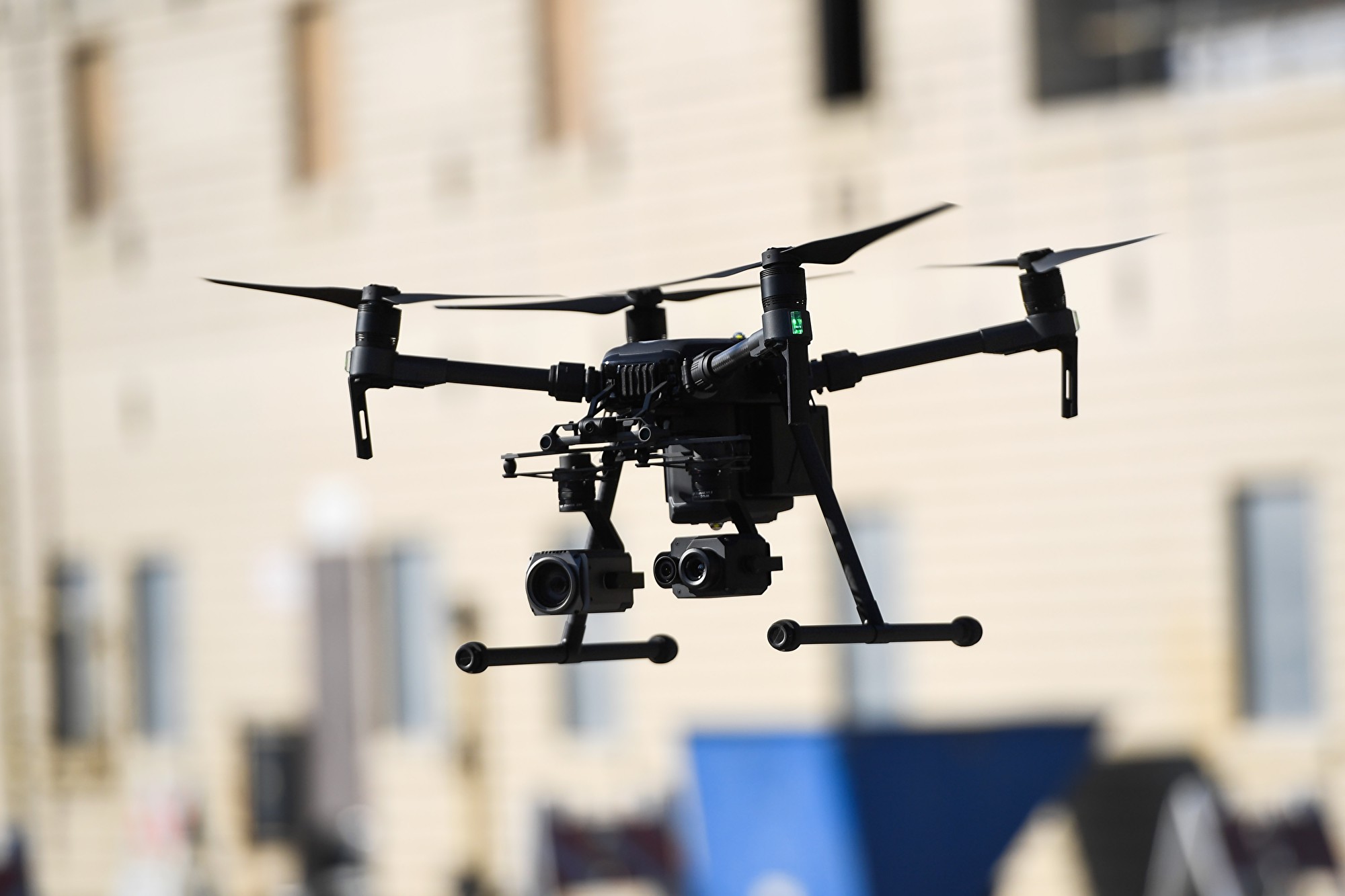
The Federal Communications Commission (FCC) of the United States officially released a proposal on August 3, 2026, and publicly solicited feedback, intending to retroactively ban the import and sales of specific foreign-manufactured Unmanned Aircraft Systems (UAS) and key components defined as “military-grade.” This move signifies the U.S. government’s crackdown on foreign-made (especially Chinese-made) drones, extending from new product certification to tracing existing approved models.
The FCC recently proposed further tightening restrictions on the import and sale of foreign-made drones, first issuing Public Notice No. DA 26-758 on July 21, signaling policy changes to the public and seeking preliminary feedback from relevant stakeholders. Simultaneously, the FCC extended the exemption period for some trusted drones and key components in the U.S. to strengthen the domestic drone manufacturing market.
On August 3, the FCC officially published the proposal in the U.S. Federal Register, soliciting public opinions and marking the beginning of the official Public Comment Period.
According to the proposal, certain foreign-made drones equipped with features such as LiDAR, thermal imaging sensors, and automatic docking stations would fall within the scope of “military-grade drones.”
The FCC announcement outlined characteristics that may categorize a model as a military-grade drone:
– Equipped with thermal imaging sensors for civilian search and rescue, night vision, and industrial inspections.
– Integrated LiDAR systems for laser obstacle avoidance and 3D mapping.
– Support for automatic airport/docking stations with automatic charging and integrated platform management functions.
– Capable of spraying chemical agents primarily for agricultural pest control or material dispersal.
– Enhanced swarm capabilities for drone swarm flights, light shows, or clustered operations.
– Designed to integrate defensive weapons, allowing for the addition of specific defense equipment.
– Maximum takeoff weight of models exceeding 55 pounds (approximately 25 kilograms).
The FCC stated that LiDAR, besides its civilian mapping and obstacle avoidance functions, could also be utilized for high-precision 3D terrain modeling, vegetation penetration detection (identifying obstructed structures or targets), autonomous navigation in GPS-disturbed environments, and military reconnaissance, potentially meeting the criteria for military-grade drones.
Public opinion collection is set to conclude on September 2. If the proposal is ultimately approved, the new regulations are expected to take effect 180 days after formal publication.
In December 2025, the FCC updated the “Covered List,” incorporating foreign-made drones and their key components into regulatory measures, rendering newly affected models ineligible for FCC equipment authorization. At that time, while old models could still be sold, the import or sale of most new drone models was prohibited in the U.S.
The new proposal considers revoking the sales qualifications of some previously authorized drone models. If the new regulations come into effect, certain DJI models equipped with LiDAR or thermal imaging functionalities may lose their eligibility for sale in the U.S. market. Industry analysis suggests that popular models like DJI Air 3S and Mini 5 Pro could be impacted, and the official supply chain for replacement components might also be disrupted.
However, the current proposal does not affect consumers’ continued use of drones they have already purchased, nor does it mandate the cessation of operation for existing equipment.