
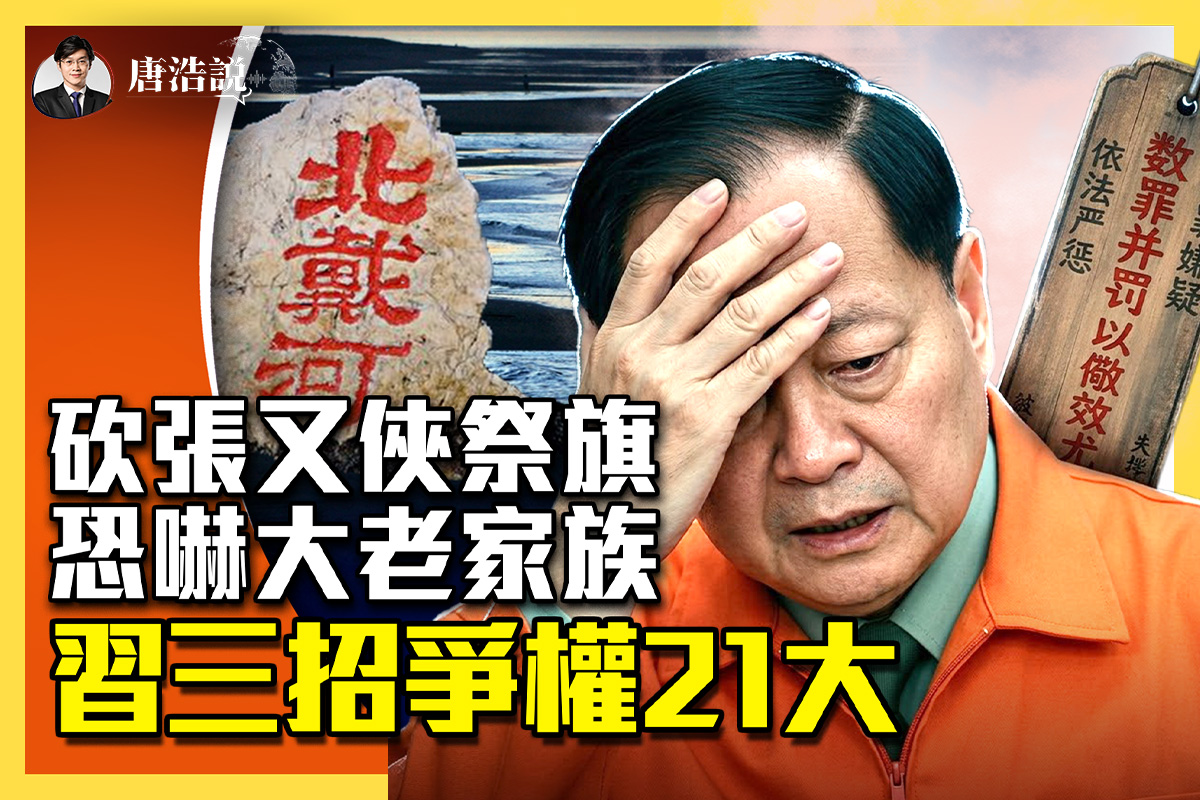
Today’s focus: The CCP’s Beidaihe Conference is underway, with Xi Jinping unexpectedly isolating himself behind closed doors, intimidating the families of top CCP officials? Is Xi Jinping declaring war within the party in preparation for the 21st CCP National Congress next autumn? By sabotaging the economy, is Xi using three-pronged strategies to secure re-election? Will Zhang Yuxia and Liu Zhenli become sacrificial pawns in Xi’s bid for re-election? Beijing has implemented the strictest border controls in history, but what exactly are they trying to block?
The Beidaihe Conference, a highly significant event within the Chinese Communist Party, has once again brought attention to the power dynamics and struggles within the party. It is reported that Xi Jinping has taken a strong stance during this year’s conference, leading to speculation about his intentions and objectives.
The upcoming 21st CCP National Congress scheduled for next autumn is poised to be a crucial juncture for the party’s leadership and direction. With Xi Jinping’s actions at the forefront, there are discussions about whether he is actively engaging in a power struggle within the party to consolidate his control.
Xi Jinping’s handling of the economy has also raised concerns and questions among observers. By implementing drastic measures that may have negative repercussions on the economy, some speculate that these actions are part of a strategy to secure his position and influence within the party.
The mention of Zhang Yuxia and Liu Zhenli as potential casualties in the political maneuvering surrounding Xi Jinping’s re-election bid highlights the high stakes involved in party politics at this level. The fate of individuals within the party is often intertwined with larger power struggles and strategic considerations.
In the midst of these internal political developments, Beijing’s rollout of unprecedentedly strict border control measures has sparked curiosity and apprehension. The motivations behind such stringent actions and the potential implications on various aspects of society remain subjects of debate and scrutiny.
As the Beidaihe Conference unfolds and its implications reverberate within the party and beyond, analysts and observers closely monitor the developments for signals of potential shifts in leadership dynamics and policy directions. The outcomes of the conference may have far-reaching consequences for the party’s future trajectory and China’s political landscape.